
Essential Badminton Skills Every Beginner Should Learn
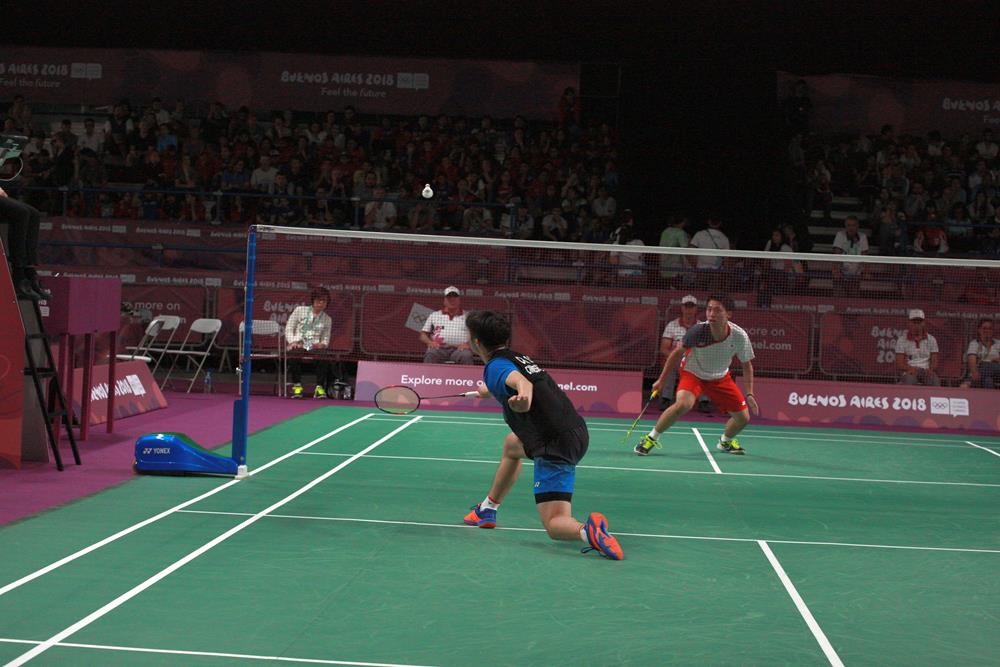
Before stepping onto the court, building a strong foundation in badminton is essential. A good starting point is to begin mastering proper grip techniques to improve precision and control. Learning fundamental shots like clears, drop shots, drives, and smashes gives the versatility needed to play effectively. Solid footwork is just as important, allowing you to move quickly and efficiently. Enhancing overall fitness through cardio and strength training will boost agility and endurance, keeping you sharp throughout the game.
Importance of Proper Grip Techniques
Mastering proper grip techniques is vital for any beginner looking to excel in badminton. By learning grip variations like the forehand, backhand, and universal grips, you'll improve your shot precision and control. A firm yet relaxed grip allows you to generate more power, making your shots more effective. Focus on getting these basics right, as they're fundamental for executing different strokes and serve with confidence. Regularly practicing these grips not only enhances your gameplay consistency but also plays a role in injury prevention. The most common grip methods include:
Forehand Grip – Hold the racket like a handshake, with the racket face perpendicular to the ground. Place your thumb and index finger in a V-shape along the handle, keeping a relaxed yet firm grip. This grip is ideal for executing clears, smashes, and drop shots.
Backhand Grip – Rotate the racket slightly so that the thumb rests flat against the wider part of the handle. This provides better control and power for backhand shots, allowing for stronger returns with minimal wrist strain.
Relaxed Hold – Avoid gripping the racket too tightly. A relaxed grip allows for better maneuverability and prevents wrist stiffness, making it easier to switch between different strokes smoothly.
Grip Adjustments – Depending on the shot, slight adjustments to grip positioning can improve execution. For example, a tighter grip may be needed for powerful smashes, while a looser hold allows for delicate net play.
Mastering these grip techniques early on enhances overall performance, making it easier to develop advanced skills and react quickly in fast-paced rallies.
Mastering Basic Badminton Shots
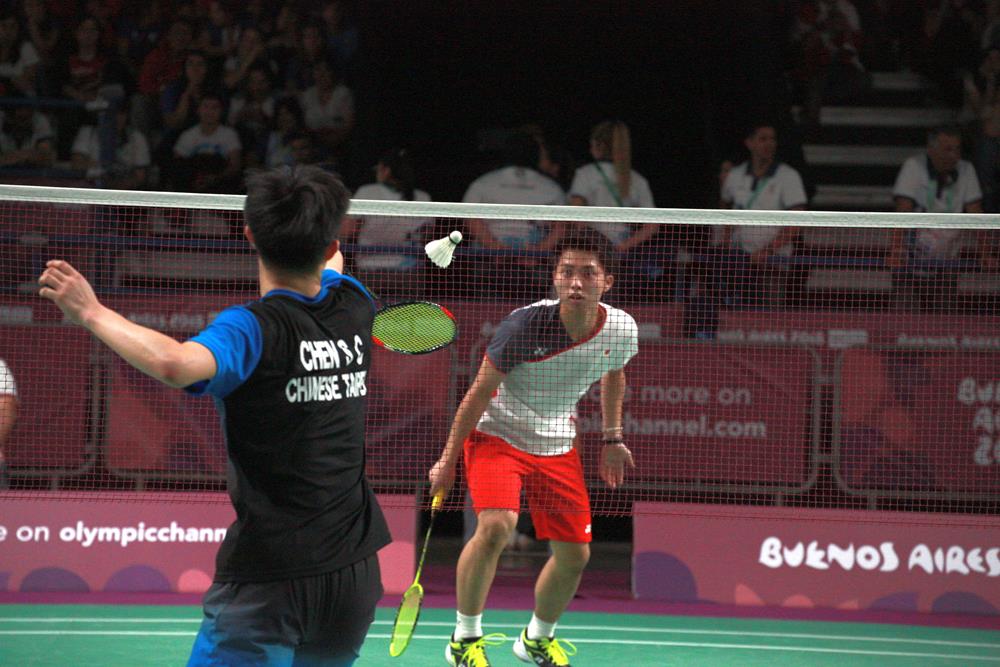
Learning the fundamental shots in badminton is key to building a strong foundation and improving overall gameplay. Each shot serves a specific purpose, helping players control the pace of the game, outmaneuver opponents, and create scoring opportunities. By practicing the following shots consistently, beginners can develop accuracy, power, and strategic awareness on the court.
Clear – A high, deep shot aimed at pushing the opponent to the back of the court. This shot can be defensive, allowing time to recover positioning, or offensive, forcing the opponent into a difficult return.
Drop Shot – A soft shot that lands just over the net, making it difficult for the opponent to reach. This is useful for changing the pace of the game and drawing the opponent forward, creating space for attacking shots.
Smash – A powerful, downward shot designed to end rallies quickly. Executed with speed and precision, the smash is one of the most effective attacking shots in badminton.
Drive – A flat and fast shot that travels just above the net. Used in both offensive and defensive play, the drive is great for maintaining pressure and limiting the opponent's reaction time.
Lift – A defensive shot that sends the shuttle high and deep into the opponent's court, similar to a clear but often used at the net to regain control of the rally.
Net Shot – A gentle tap that causes the shuttle to fall just over the net, forcing the opponent to move forward and setting up opportunities for attacking play. Consistent practice of these shots will solidify your foundation, improve your overall gameplay, and prepare you for more advanced challenges.
Developing Effective Footwork
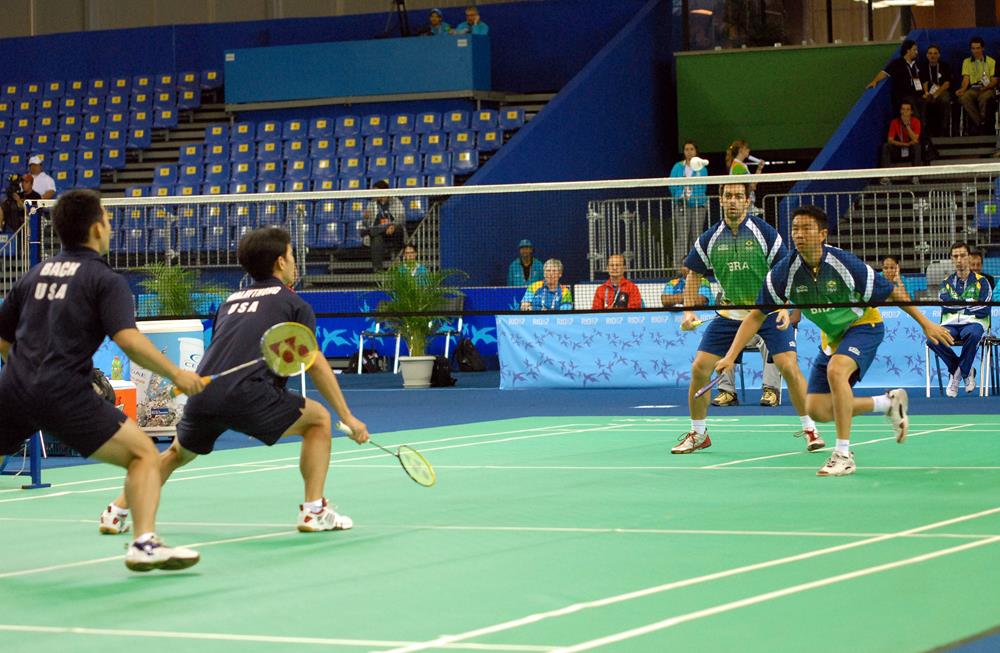
While mastering basic badminton shots forms the core of your offensive and defensive strategies, your ability to execute them effectively hinges on having solid footwork. Effective footwork is essential for covering the court efficiently, allowing you to reach the shuttlecock quickly. Practicing footwork drills like side steps, lunges, and cross-steps greatly improves your movement speed and agility on the court. Agility exercises enhance not only your speed but also your balance. Maintain a low center of gravity with slightly bent knees for quick direction changes and better stability.
Without proper movement, even the best shots can be ineffective, as slow or inefficient positioning can leave a player struggling to return the shuttle. Learning and practicing footwork patterns helps improve speed, agility, and overall court coverage, giving players a competitive edge.
Maintain a Ready Position – Always stay on the balls of your feet with knees slightly bent and body weight centered. This stance allows for quick movements in any direction.
Use Small, Quick Steps – Rather than taking large, heavy steps, focus on light, controlled movements to adjust positioning efficiently without losing balance.
Master the Split Step – A slight hop just before the opponent's shot prepares the body to react instantly, making it easier to move toward the shuttle.
Practice Proper Lunge Technique – Lunging toward the shuttle, especially at the net, should be done with a controlled step to maintain balance and avoid injuries.
Return to Base Position – After every shot, move back to a central position on the court to prepare for the next return. This helps cover all areas effectively and prevents being caught off guard.
By incorporating footwork drills into regular training, players can move smoothly across the court, respond quickly to opponents, and maintain control throughout the game.
Enhancing Overall Fitness

To excel in badminton, you need to prioritize enhancing your general fitness, as the sport demands agility, speed, and endurance. Start by incorporating cardio workouts like running or jump rope to enhance your cardiovascular endurance. These activities support sustained energy, helping you navigate those extended rallies. Hand-eye coordination is crucial, so focus on coordination drills to sharpen your shot accuracy and timing.
A balanced routine with strength training will build muscle endurance for powerful strokes and effective footwork. Gradually increase your workout intensity and duration to adapt seamlessly to badminton's physical demands. This approach will make your gameplay smoother and more enjoyable, allowing you to give your best on the court.
Cultivating Strategic Gameplay
Mastering strategic gameplay in badminton is key to outsmarting your opponents and raising your performance. Begin by developing tactical awareness through opponent analysis. Identify their weaknesses, like preferred shots or movement patterns, and use this insight to exploit vulnerabilities during matches. Balance your play with both defensive and offensive strategies, adapting to different gameplay situations to improve your effectiveness on the court.
Incorporate tactical drills into your practice sessions, focusing on scenario-based training to increase decision-making skills. Watching professional matches can provide valuable insights into effective strategies and shot selections that you can tailor to your own style. After each match, evaluate your gameplay, including shot selection and positioning. This reflection fosters a mindset geared towards continuous improvement and strategic development.
Building a Structured Practice Routine
Establishing a structured practice routine is essential for beginners to build solid badminton skills. Start with warm-up drills like jogging, stretching, and footwork exercises to get your body ready. Consistency in practice is the key, but routine flexibility allows you to adapt and keep sessions engaging. Incorporate shadow badminton drills to improve technique and muscle memory without a shuttlecock. Regularly practice basic shots—clears, drops, and drives—to enhance confidence and skill execution during matches.
Getting valuable feedback from coaches guarantees you're developing proper techniques. Always set aside time to reflect on your strengths and areas needing improvement.
Commitment to Continuous Improvement
While building a structured practice routine lays the groundwork, the expedition doesn't stop there. Your commitment to continuous improvement is essential. Start with self-assessment techniques to identify areas needing refinement. Honest reflection on your gameplay reveals strengths and weaknesses, guiding your focus during practice. Pair this with goal-setting strategies; establish clear, achievable targets to maintain motivation and direction
Adopt a growth mindset, viewing challenges as opportunities to learn and evolve. This attitude not only builds resilience but also deepens your enjoyment of badminton, keeping you engaged and committed. Consider maintaining a private journal for goals and achievements to document your progress and reflect upon your journey.
Leveraging Expert Guidance and Resources
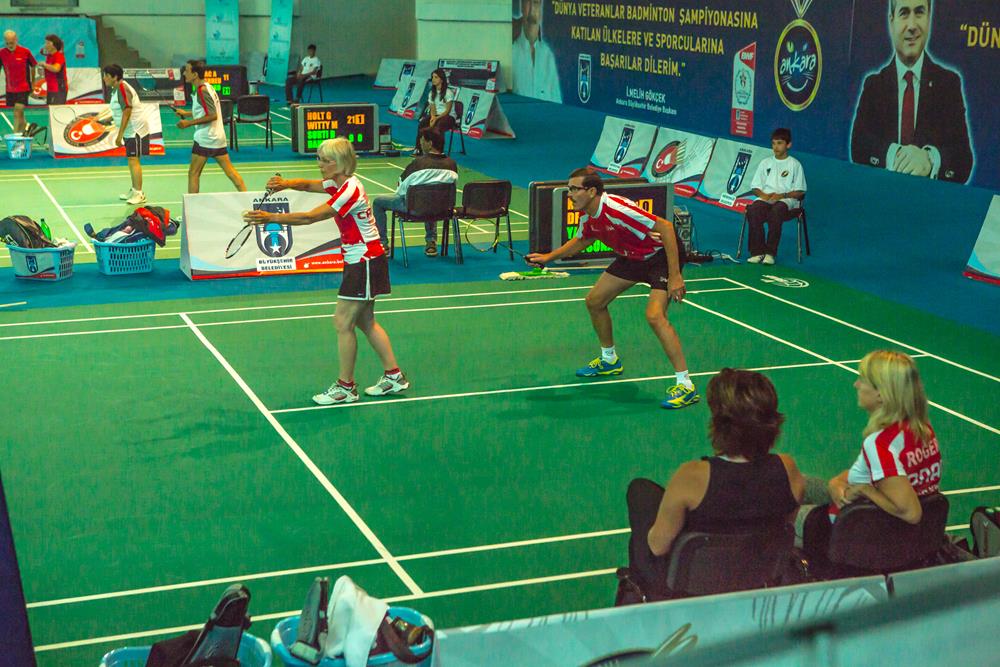
It's invaluable to tap into expert guidance and resources to accelerate your learning curve. Joining an academy offers access to expert coaching and structured lessons that hone your skills. Personalized feedback from instructors on grip, footwork, and shot execution speeds up your improvement. Supplementing this with instructional resources, such as online tutorials and training videos, reinforces your learning outside of practice. Stoic principles can be applied to enhance your badminton journey by focusing on the distinction between control and non-control, helping you manage your reactions to challenges on the court.
Wrapping Up
Building a strong foundation in badminton starts with mastering the essentials—proper grip techniques, fundamental shots, and effective footwork. These skills not only improve accuracy and control but also enhance movement and reaction time on the court. Developing fitness, consistency, and strategic awareness further refines gameplay, making each match more competitive and enjoyable.
With regular practice and a focus on these fundamentals, beginners can steadily improve their performance and gain confidence. The more these skills are honed, the more natural and instinctive the game becomes, setting the stage for long-term growth and success.




.jpg)