
Things You Need to Do When Your Dog Bites Someone
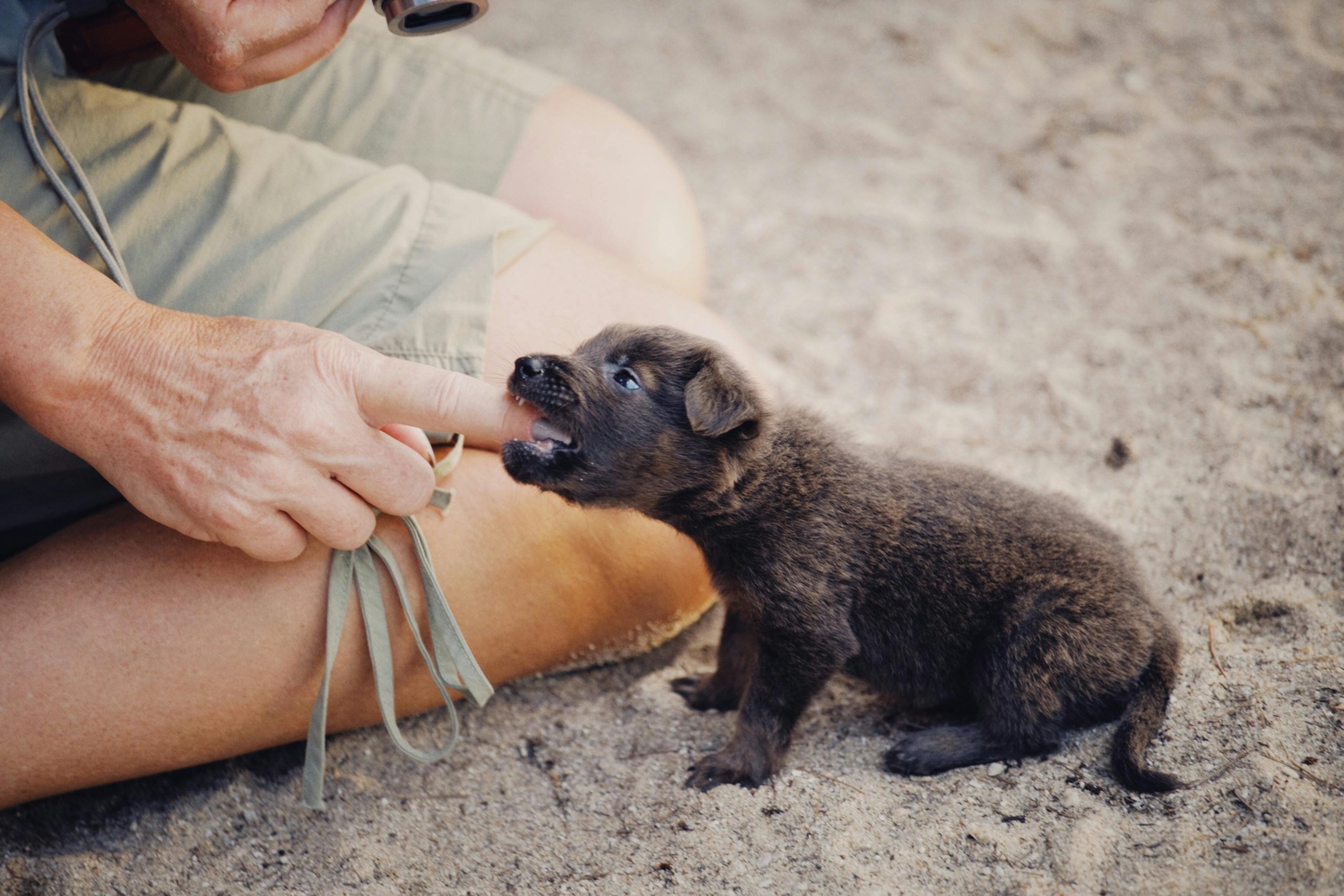
Did you know that in the United States, dogs bite approximately 4.5 million people a year, with about half of these victims being children? The majority of these bites, or 70%, are from unneutered male dogs, which have certain behaviors such as aggression and roaming.
When your dog bites someone, it can be a frightening and stressful situation for everyone involved. As a pet owner, your immediate concern might be the well-being of the person who was bitten, but there are also important legal and financial implications to consider.
According to dog bite law firm Guenard Bozarth, LLP, any bite or injury is compensable, regardless of where it occurred or the dog’s history. If your dog bites someone, make sure that the injured person receives the necessary medical attention, even if it’s a minor bite.
Let’s discover the necessary actions to take and how to guarantee the well-being of the victim and your pet friend.
Immediate First Aid
A dog bite should be cleaned with soap and water immediately to prevent infection. Thoroughly rinse and dry with a clean towel. Use an over-the-counter antibiotic cream and a sterile bandage. Check the bite for infection symptoms such as pain, redness, swelling, warmth, or pus discharge. These symptoms require emergency medical intervention.
Monitor the wound for the next few days and keep it clean and dry. Avoid scratching or picking at the bite to prevent further irritation and infection. Watch out for any signs of rabies, such as unusual behavior in the dog that bit you or difficulty swallowing. If you suspect the dog may have rabies, seek immediate medical help.
If you’re a pet owner and want to prevent animal attacks from happening again, learn the reasonable steps you can take on this website: https://www.whitlocklawllc.com/
Secure Your Dog
To guarantee safety and prevent future incidents, secure your dog in a fenced area or on a leash is necessary after a dog bite. This action helps limit your dog's interactions with others and reduces the risk of another bite.
If you have a fenced yard, make sure it's secure and that there are no escape routes. If a fence isn't available, use a sturdy leash to keep your dog under control. Avoid leaving your dog unattended in public areas or around unfamiliar individuals.
Consider using a muzzle for added safety during walks or when around new people. Your dog's behavior may be unpredictable after a bite incident, so you must take measures to secure them properly. Always prioritize the safety of others and your dog by keeping them in a controlled environment.
Gather Information
To provide accurate information for medical professionals and authorities, begin by documenting all relevant details about the dog bite incident. Note the date, time, and location of the bite. Gather the contact information of the person bitten and any witnesses present.
Photograph the injury, scene, and dog. Record the dog's behavior and triggers before the bite. Note the dog's immunization status and history of violence. Record victim and witness statements.
Collect information about the dog's owner, including their name, address, and contact details. This documentation will help determine the appropriate action and guarantee the victim’s well-being.
Seek Medical Attention
If bitten by a dog, seek medical attention as soon as possible to address the injury and prevent potential complications. Dog bites can introduce harmful bacteria into the wound, leading to infections that may escalate if not treated quickly. Even seemingly minor bites can cause deep tissue damage or nerve injury, necessitating medical evaluation.
Upon seeking medical attention, healthcare professionals will assess the wound's severity and may recommend cleaning the area thoroughly to prevent infection. Depending on the bite's depth and location, stitches or other wound care measures might be necessary to promote proper healing. A tetanus shot or antibiotics could be administered to prevent bacterial infection.
In some cases, dog bites may result in more serious consequences, such as rabies transmission. Seeking medical attention immediately allows healthcare providers to evaluate the risk of rabies exposure and administer the necessary treatment, such as post-exposure prophylaxis, to prevent the disease from developing.
Prevent Future Incidents
To prevent dog bites, try behavior modification. Start by finding your dog's aggressive triggers. Fear, pain, possessiveness, and menace are common triggers. Once you know what stimulates your dog, desensitize them. Gradual trigger exposure in a controlled context, encouraging calm behavior, and expert aid may help.
Reducing incidents requires consistent training. Train your dog to sit, stay, and leave by rewarding good behavior with goodies and praise. Limits and guidelines help your dog understand expectations. To lessen aggression and promote confidence, socialize your dog with other animals and people.
Always supervise interactions between your dog and others, especially children or unfamiliar individuals. Educate family members and visitors on how to properly approach and interact with your dog. Prevention is the best approach to ensuring the safety of both your dog and those around them.
Conclusion
Remember to stay calm and take immediate action if your dog bites someone. Taking important steps to prevent future incidents is significant. By following these guidelines, you can guarantee the safety of the person who was bitten and avoid any further incidents from occurring in the future.