The Psychology of Color in Men's Fashion
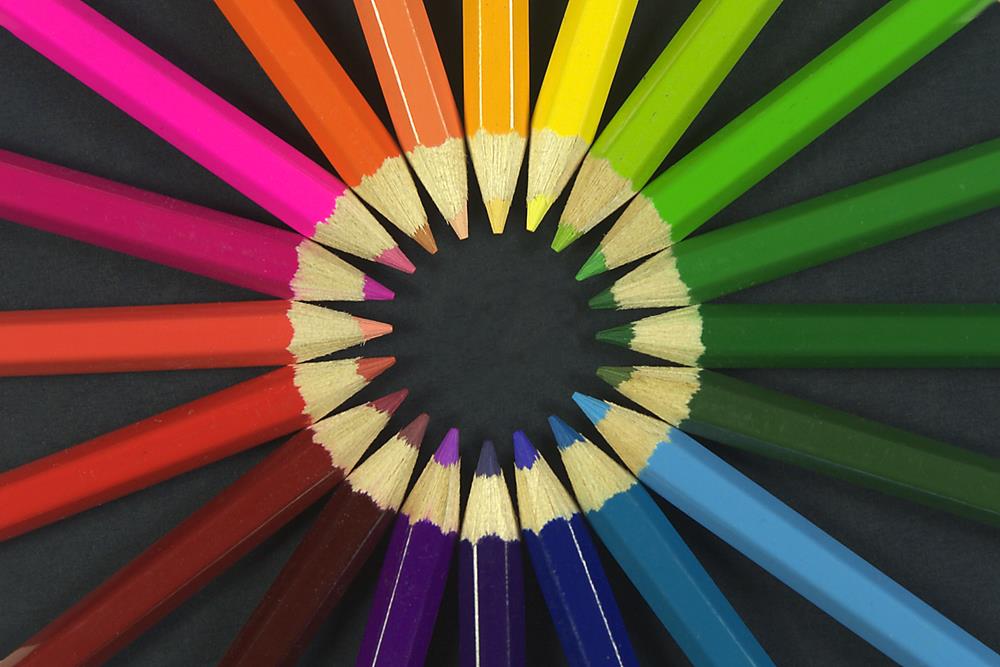
Color plays a powerful role in men's fashion, influencing the way others perceive confidence, personality, and style. The right color choices can enhance a man's presence, create a lasting impression, and even affect mood and behavior. Understanding the psychology behind color helps in making informed wardrobe decisions that align with different settings, occasions, and personal expression.
The Influence of Color in Men's Clothing Choices
View this post on Instagram
When selecting men's clothing, color plays a powerful role in shaping perceptions and emotions, influencing both how you feel and how others perceive you. Color symbolism is deeply embedded in cultural perceptions, guiding your choices. Neutral colors like black, navy, gray, and white project sophistication and professionalism, perfect for formal settings. These shades are universally understood to convey authority and reliability. Conversely, bold colors like red, purple, and emerald green express confidence and individuality. Wearing a well-tailored suit in these striking tones makes a strong fashion statement in any social setting. Seasonal trends also impact your color choices: pastels are popular in spring and summer, while deeper tones dominate fall and winter wardrobes, ensuring your style remains fresh and relevant. Accessorizing correctly enhances overall appearance and confidence, allowing you to make a lasting impression with your color choices. Colors in men's fashion aren't just about style; they evoke emotions and shape perceptions. Understanding color psychology helps you make choices that influence how you're perceived. Blue, for instance, often evokes calmness and trust, making it ideal for professional settings. When you want to exude confidence and energy, red becomes your go-to, as it's linked to passion and assertiveness. For a rejuvenating vibe, choose green—it symbolizes balance and harmony, perfect for casual settings. Yellow, with its ties to optimism, projects cheerfulness and approachability, making it a great pick for relaxed occasions. Finally, purple stands out with its associations with creativity and luxury, allowing you to make a bold statement and showcase individuality. Each color triggers unique emotional responses, shaping your image. Remember, control over reactions to external events is a key principle in Stoicism, akin to how choosing the right color can manage perceptions. While lively colors often steal the spotlight, neutral colors hold an essential role in men's fashion with their timeless elegance and versatility. Black, navy, gray, and white serve as the backbone of any stylish wardrobe. They make neutral color combinations perfect for creating versatile outfit foundations that can shift from casual to formal with ease. These shades convey sophistication, making them ideal for workplace attire or formal events. Embrace neutral colors to build an effortlessly stylish wardrobe. Much like a cast iron skillet, neutral colors are a fundamental and versatile component that enhances the overall quality and longevity of your fashion choices. Though neutral colors provide a solid foundation, bold colors like red, purple, and emerald green can truly improve your wardrobe by conveying confidence and individuality. These bold color combinations make a strong statement, turning any outfit into a reflection of your unique style. A well-tailored suit in a lively hue can showcase your personality, making you memorable in both social and professional settings. Research shows that bold colors evoke positive emotions, helping you leave a lasting impression. To pull off these shades, you need confidence, as they demand attention and shape perceptions. If you're hesitant to go all out, try incorporating bold colors through accessories like ties or pocket squares. This way, you can still express your personality without overwhelming your ensemble. After mastering bold colors, it's time to investigate how seasonal color trends can improve your fashion game. Seasonal palettes are essential to keeping your wardrobe fresh and expressive. Pastels brighten spring and summer, while deep tones provide warmth in fall and winter. This approach not only modernizes your look but also lets you express individuality and adapt to fashion's ebbs and flows. Color psychology plays a crucial role, as these hues can elevate your confidence and resonate emotionally. To effectively navigate seasonal trends: Although it might seem intimidating to incorporate bold colors into your wardrobe, accessories offer a fantastic solution. By choosing the right accessory combinations, like lively ties, pocket squares, or socks, you can introduce bold hues without overwhelming your look. Color psychology suggests these small pops of color can make your outfit more visually appealing and stylish, while still maintaining sophistication. Using accessories is a low-risk way to step outside your comfort zone and experiment with lively colors. Not only do they add versatility to your wardrobe—easily swapped for different occasions—but they can also serve as statement pieces. A well-chosen accessory in a bold color showcases confidence and style, drawing attention and elevating an otherwise simple outfit. Accept the power of color! Understanding color coordination and harmony in men's fashion is crucial for creating visually appealing outfits. Color theory guides you in using the color wheel to find complementary, analogous, or monochromatic schemes that improve your ensemble's visual appeal. Color psychology can help you choose colors that express your personality while maintaining a polished look. Mastering color harmony guarantees that your clothes, accessories, and patterns work together seamlessly. Balance bold and neutral tones to achieve sophistication and lively expression. Effective coordination can transform your style. Patterns play a vital role in men's fashion, offering a myriad of ways to improve your style. Classic stripes and plaids provide timeless appeal, while geometric and floral designs introduce a modern twist. Mastering pattern mixing is key; balancing large and small designs creates visual balance and adds unique character to your outfit. By selecting patterns that complement your body type, you can highlight strengths and achieve a flattering silhouette. Don't shy away from accessorizing with patterned ties or pocket squares. They're perfect for injecting personality without overwhelming your look. When incorporating patterns, consider color harmony principles, like complementary or monochromatic schemes, to maintain sophistication. Patterns offer endless possibilities to express yourself, making them a fundamental tool in your style arsenal. When crafting a standout outfit, using color and pattern effectively is essential for achieving a cohesive look. Start by exploring the color wheel and principles of color harmony to guarantee your color combinations complement each other. Experiment with complementary, analogous, and monochromatic schemes to find what works best for you. For pattern mixing, balance is the key—combine large and small patterns to maintain visual interest without overwhelming the senses. Incorporate textures and fabric patterns to add depth and dimension. Accessories can introduce a pop of color and personality while keeping things cohesive. Mastering these elements will enhance your fashion game. Mastering color in fashion is more than just choosing what looks good—it's about understanding the messages different shades convey. Whether aiming to project confidence, authority, or a relaxed attitude, the right colors help enhance presence and style. Incorporating a balanced mix of bold, neutral, and classic tones ensures versatility in any wardrobe. By using color strategically, men can create outfits that reflect personality, suit various occasions, and leave a strong, lasting impression.Exploring the Emotions Evoked by Different Colors
The Role of Neutral Colors in Timeless Fashion
Making a Statement With Bold Colors
Navigating Seasonal Color Trends
Using Accessories to Introduce Bold Colors
Understanding Color Coordination and Harmony
The Impact of Patterns on Men's Style
Creating Cohesive Outfits With Color and Pattern
Final Thoughts