Essential Outdoor Skills for Texas Adventures
Texas offers an enormous variety of outdoor experiences, from desert mountains and Hill Country trails to East Texas forests, rivers, and coastal environments. Whether you're hiking, camping, backpacking, kayaking, or exploring remote state parks, basic outdoor skills can help you stay safer and more comfortable in changing conditions. Texas weather can shift quickly, especially during summer heat, thunderstorms, or cold desert nights. Learning practical wilderness skills such as shelter building, water purification, navigation, and fire safety can make outdoor trips more manageable and enjoyable across the state’s diverse terrain.
Shelter Skills for Texas Heat, Wind, and Overnight Conditions
In Texas, shelter is not only about warmth. During much of the year, protection from heat and sun exposure is equally important. Natural shelter options may include shaded canyon walls, dense tree cover, rock overhangs, or protected areas near hillsides. In open terrain, even temporary shade can help reduce the risk of heat exhaustion during peak afternoon temperatures. If you need to build a temporary shelter, simple lean-tos and debris shelters are among the most practical outdoor skills to know. A lean-to can be made using branches, a tarp, or natural materials positioned away from prevailing wind. Debris shelters use a ridge pole layered with leaves, grasses, brush, or pine needles to provide insulation and weather protection. Ground insulation also matters during cool nights. Dry leaves, grasses, or pine needles beneath your sleeping area can help reduce heat loss from direct ground contact. In hot weather, prioritize airflow and ventilation instead of fully enclosed shelters whenever possible.
Finding Reliable Water Sources in Texas Wilderness Areas
Finding water is one of the most important outdoor skills for Texas adventures, especially in dry or remote regions where creeks and springs may disappear during drought conditions. Some of the state's most dependable natural water systems include spring-fed rivers such as the Guadalupe River, Frio River, and San Marcos River, which receive significant groundwater contributions from Texas aquifers. In the Hill Country, limestone formations associated with the Edwards Aquifer and Trinity Aquifer help support many springs and waterways. However, natural water conditions can change quickly depending on rainfall and seasonal heat. When searching for water outdoors:
- Follow creek beds and drainage areas carefully
- Look for greener vegetation in dry terrain
- Watch for signs of flowing water near canyon walls or springs
- Check recent trail and park reports before backcountry trips
Even if water appears clean, it should still be treated before drinking.
Water Purification Skills for Camping and Backpacking
Untreated backcountry water can contain bacteria, parasites, sediment, or runoff contamination. Knowing how to purify water is an essential skill for hiking, camping, and backpacking trips in Texas. Boiling remains one of the most dependable purification methods. Bring water to a rolling boil for at least one minute before drinking. Portable water filters, chlorine dioxide tablets, UV purification devices, and purification drops are also common outdoor tools. If water contains visible sediment or debris, allow particles to settle before filtering or boiling. Pre-filtering through cloth can improve water clarity before treatment. No single purification method removes every possible contaminant, so many experienced backpackers combine filtration and purification methods for added safety.
Fire Starting Skills for Texas Outdoor Trips
View this post on Instagram
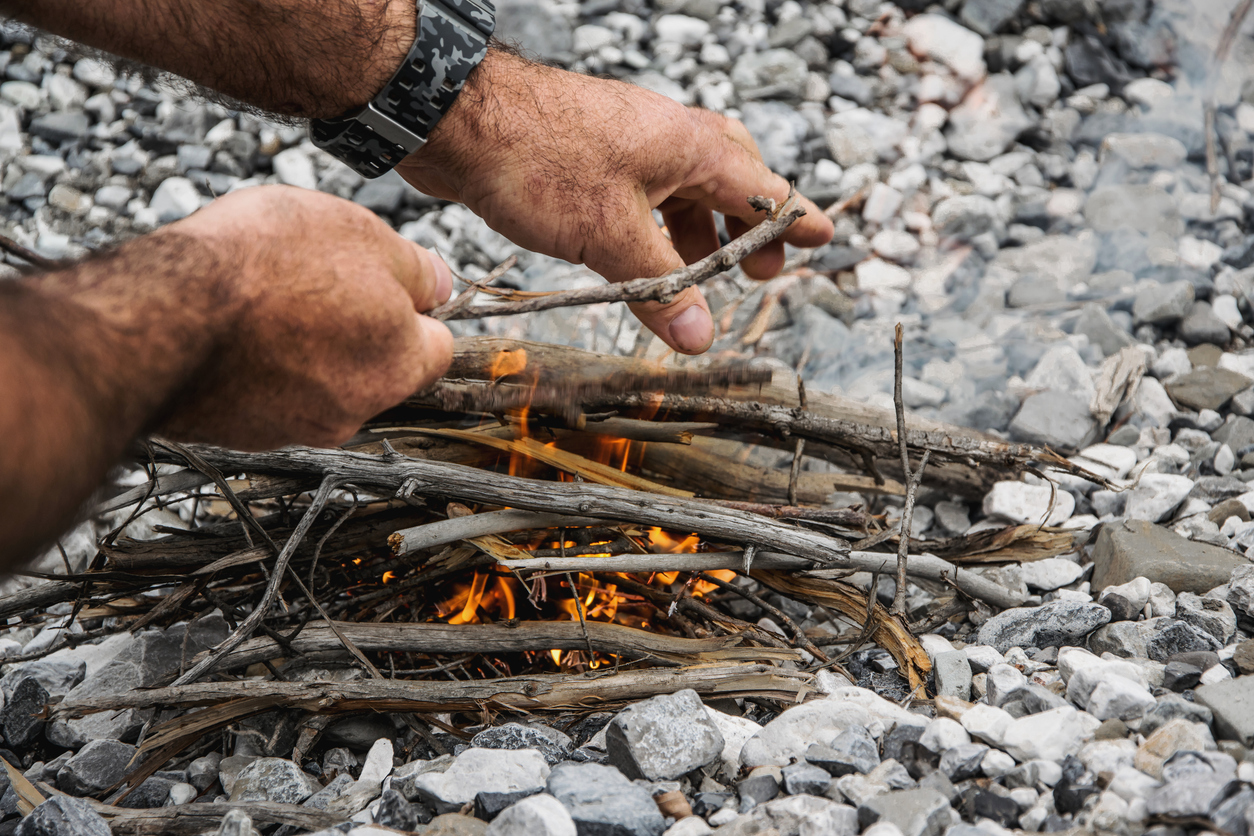
Fire can provide warmth, cooking capability, light, and emergency signaling during outdoor trips. However, Texas frequently experiences drought conditions and burn bans, making fire safety extremely important. Before building any fire, always check local regulations and weather conditions. Reliable fire-starting tools include:
- Waterproof matches
- Ferro rods
- Windproof lighters
- Commercial fire starters
- Petroleum jelly-soaked cotton balls stored in waterproof containers
Dry tinder is essential for successful fire starting. Dead standing wood often contains drier material beneath the outer bark, while pine needles, bark shavings, grasses, and feather sticks can help ignite small flames. Simple teepee or log cabin fire structures improve airflow and help fires burn more steadily. Keep fires small, controlled, and fully extinguished before leaving the area.
Navigation Skills for Texas Trails and Backcountry Areas
Navigation skills remain important even when using GPS apps or digital trail maps. Batteries fail, devices lose signal, and trails may become difficult to follow in remote terrain. The shadow stick method can help identify general east-west direction during daylight. Place a stick upright in the ground and mark the tip of its shadow. After about 15 to 20 minutes, mark the new shadow position. The line between the two marks provides a rough east-west reference. At night, the North Star can help travelers maintain direction in clear conditions. Terrain awareness is also valuable in Texas landscapes. Ridges, creek systems, canyon walls, rock formations, roads, and fence lines can all help travelers stay oriented. Before entering remote areas:
- Download offline trail maps
- Carry a printed backup map
- Learn major landmarks along your route
- Mark trailheads and campsites on GPS apps
- Share your travel plans with someone before leaving
If you become disoriented, stop moving and reassess your surroundings before continuing.
Heat Management and Outdoor Safety in Texas
Texas heat is one of the most common outdoor hazards across the state. Heat exhaustion and dehydration can develop quickly during hiking, backpacking, paddling, or camping trips. Helpful outdoor safety habits include:
- Drinking water regularly throughout the day
- Wearing lightweight, sun-protective clothing
- Using hats and sunscreen for sun protection
- Taking breaks during peak afternoon heat
- Replacing electrolytes during strenuous activity
- Avoiding overexertion during extremely hot weather
Outdoor travelers should also watch for symptoms of heat exhaustion, including dizziness, nausea, headache, muscle cramps, and unusual fatigue. Conditions vary dramatically across Texas, so adjust hydration, clothing, and pacing based on the season and region.
Wildlife Awareness for Texas Outdoor Adventures
Texas is home to a wide variety of wildlife, including rattlesnakes, copperheads, feral hogs, coyotes, alligators, and insects such as ticks and mosquitoes. Most wildlife encounters can be avoided by staying aware of your surroundings and giving animals plenty of space. Helpful wildlife safety practices include:
- Staying on marked trails
- Avoiding tall grass when possible
- Watching where you place hands and feet
- Securing food properly at campsites
- Checking for ticks after hikes
- Keeping a safe distance from all wildlife
Snakes are most active during warmer months, especially near rocks, brush, and water sources. In coastal and East Texas environments, alligator awareness is also important near marshes, lakes, and slow-moving waterways.
Conclusion
Learning essential outdoor skills can make Texas adventures safer, more comfortable, and more enjoyable. From shelter building and water purification to navigation and heat management, preparation plays a major role in successful outdoor travel across the state. Texas landscapes can be beautiful and challenging at the same time. With the right skills, awareness, and planning, hikers, campers, backpackers, and outdoor travelers can explore the state’s trails, rivers, parks, and wilderness areas with greater confidence.