Cultural Significance of Sundakkai Vathal in South Indian Cuisine
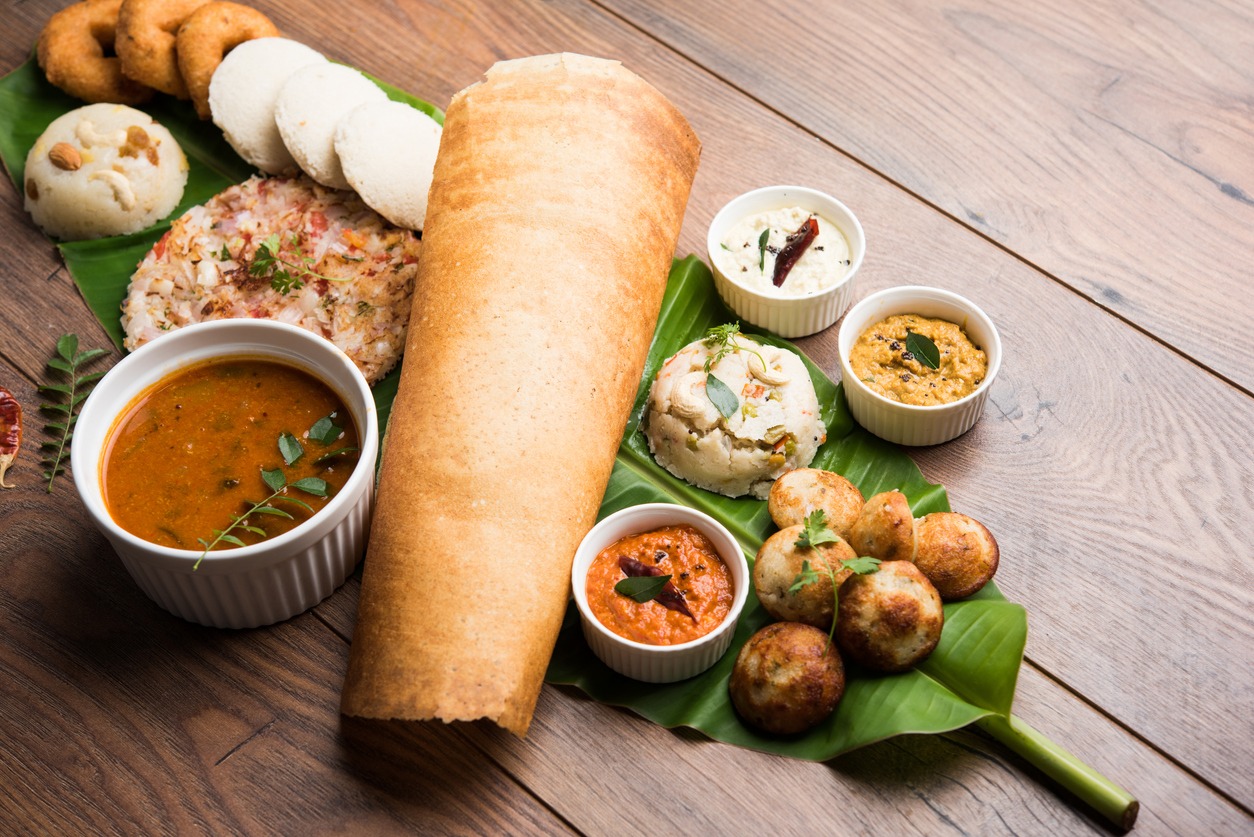
When it comes to South Indian cuisine, sun-dried turkey berry crisps hold a special place. This flavorful ingredient has been a staple in many South Indian households for generations. It offers a unique taste along with a wealth of cultural significance. In this article, let's look into the rich history, cultural importance, and culinary applications of this South Indian food.
A Glimpse into South Indian Culinary Tradition
South Indian cuisine is known for its rich flavours, which are heavily influenced by local spices and herbs. Sundakkai Vathal is one such ingredient that has been cherished for both its taste and health benefits. The practice of sun-drying vegetables and berries like Sundakkai can be traced back to ancient times.
The sun-drying process of making Vathal helps retain these nutrients while concentrating the berry's natural flavours. When incorporated into dishes, it enhances the taste and contributes to a balanced diet. This dual role as both a flavour enhancer and a health booster is why it continues to be a cherished ingredient in South Indian kitchens.
The process of creating Vathal involves carefully selecting fresh turkey berries. These are then cleaned, boiled, and sun-dried. This method not only preserves the berries but also enhances their flavour, allowing them to be stored and used throughout the year.
The Cultural Resonance
In South India, food is more than sustenance—it reflects tradition, culture, and community. Vathal is crucial to this culinary heritage, particularly in Tamil Nadu. Its use in traditional dishes like Vathal Kuzhambu, a tangy and spicy curry, is a testament to its enduring popularity.
This dish is often prepared during festivals, family gatherings, and special occasions, symbolising prosperity and togetherness. Preparing it is a ceremonial activity in many households. Women usually gather to prepare large batches of Vathal during the summer months, ensuring a steady supply for the year. This communal activity strengthens social bonds and passes culinary knowledge from one generation to the next.
Culinary Uses
The versatility of Sundakkai Vathal is another reason for its enduring presence in South Indian cuisine. It is most commonly used in various types of Kuzhambu (a kind of South Indian curry). Here are some popular ways to incorporate Vathal into your cooking:
- Vathal Kuzhambu: This is the most traditional and popular use of these crisps. The Vathal is fried in oil and then simmered in a tamarind-based gravy seasoned with mustard seeds, fenugreek, and curry leaves.
- Buttermilk Kuzhambu: In this variation, the crisps are cooked in a yoghurt-based curry, providing a creamy contrast to the berry's sharp flavours.
- Sambar: It can also be added to Sambar, a lentil-based vegetable stew, which complements the other vegetables and adds a unique texture.
- Snacks: Some people enjoy it simply as a crunchy snack, fried and eaten on its own or as an accompaniment to a meal.
A Taste of Tradition
For those unfamiliar, it might seem like another ingredient in the vast array of South Indian spices and condiments. However, for those who grew up with it, the crisps are much more—a taste of home, a connection to heritage, and a reminder of the enduring bond between food and culture.
In modern times, as people explore traditional foods for their health benefits and unique flavours, these crisps have found a new audience. Whether you're looking to recreate authentic South Indian dishes or add a new dimension to your cooking, incorporating it can be a rewarding experience.
The cultural significance of South Indian cuisine cannot be overstated. It's a symbol of tradition, a testament to the ingenuity of ancient preservation methods, and a culinary treasure that continues to enrich South Indian food. Whether enjoyed in a traditional Kuzhambu or as a snack, it remains a beloved ingredient that captures the essence of South Indian culinary artistry.