
The Importance of Regular Health Screenings for Men

Routine health screenings play a crucial role in detecting medical conditions early, allowing for timely treatment and better long-term outcomes. Many serious health issues, including heart disease, diabetes, and cancer, can develop without noticeable symptoms. Regular checkups help identify risks before they turn into major problems, giving men a better chance at prevention and effective management.
Understanding Men's Health Disparities
View this post on Instagram
While men's health disparities might seem like a complex issue, understanding them is essential for improving general health outcomes.
Men live an average of 4.5 years less than women, often due to preventable issues. This gap is partly because men, especially those between 18-45 years old, are less likely to seek preventive healthcare.
Mental health plays a fundamental role, as societal norms often discourage men from discussing emotional well-being. Your lifestyle choices greatly impact your health, and neglecting regular checkups can lead to delayed diagnosis of conditions.
Recognizing and acknowledging emotions is a crucial self-care practice that can help improve mental health and contribute to reducing health disparities among men. Awareness and changing attitudes towards mental health can reduce this disparity. Recognizing the need for lifestyle adjustments and prioritizing mental health can bridge the gap, encouraging men to engage in proactive health practices.
Prostate Cancer Risk
Despite advances in medical science, prostate cancer remains the most common cancer affecting men in the UK, with 1 in 8 men facing this diagnosis during their lifetime.
Understanding your risk factors is essential. Men over 50, those with a family history, Black or African ancestry, and individuals with obesity face higher risks.
Early detection through PSA testing is important. This blood test can help catch prostate cancer early, but keep in mind it can produce false positives and negatives.
If you're at higher risk, discussing the benefits and timing of PSA testing with your healthcare provider is wise. Regular screenings can lead to successful treatment, especially if the cancer is detected early.
Be proactive about your health. Regular check-ups help prevent serious diseases by facilitating early detection and management, ensuring that health complications can be addressed promptly.
Testicular Cancer Awareness and Monitoring

How often do you check in on your health?
Testicular cancer, though accounting for just 1% of new cancer cases in the UK, is the most common cancer in men between 15 to 39.
The good news? The survival rate is impressively high at 91.3% when diagnosed early. This makes regular self-examinations essential.
By performing a monthly self-check, you can spot unusual changes or symptoms in your testicles early on.
If you have risk factors like a family history, undescended testicles, or certain genetic conditions, staying vigilant is even more vital. Early diagnosis and treatment greatly enhance your chances of a full recovery.
The importance of taking early signs of depression seriously cannot be overstated, as mental health plays a crucial role in overall well-being and can affect your ability to stay proactive about other health concerns. Don't wait—make testicular cancer awareness a regular part of your health routine.
Key Health Screenings for Men of All Ages
Every man, regardless of phase of life, should prioritize regular health screenings to maintain peak well-being.
Men between 18-45 often skip preventive care, making early detection of issues vital. Begin with annual blood tests in your 20s and 30s to evaluate cholesterol and kidney function.
At 45, start getting colonoscopy screenings every ten years, adjusting for family history. Once you reach 55, annual PSA blood tests become important for prostate cancer screening, especially if it runs in the family.
Don't overlook routine skin cancer checks each year, increasing frequency if you've had sunburns or a family history. Incorporate mental health evaluations and fitness assessments into your routine, ensuring thorough care that supports both physical and mental well-being.
The Role of Blood Pressure and Cholesterol Checks

While maintaining regular health screenings, it's important to understand the significant role of blood pressure and cholesterol checks.
Regular blood pressure checks are imperative because nearly 50% of adults in the United States have hypertension, which can lead to serious health issues if ignored. The United States Preventative Services Taskforce suggests biennial screenings for those with normal readings, while those with hypertension require more frequent checks.
For cholesterol management, yearly screenings are advised, especially if you have a family history of diabetes or heart disease. High cholesterol affects 1 in 3 adults in the U.S. and is a major risk factor for heart disease and stroke.
Monitoring both blood pressure and cholesterol is key to prevent severe complications like heart attacks and strokes.
Importance of Diabetes and Skin Cancer Monitoring
When considering your health, monitoring for diabetes and skin cancer is fundamental. Regular diabetes screenings every three years, especially with a family history, can prevent serious complications.
Understanding your risk factors through diabetes education is key to managing potential heart disease and stroke. Skin cancer awareness is similarly important. If you have a family history or past sunburns, annual checkups are advised for early detection and prevention.
Self-monitoring for changing moles and birthmarks can catch skin cancer early, improving treatment success. Don't forget that sunscreen use year-round is imperative to protect against UV rays.
- Diabetes screenings: Every three years if you have a family history.
- Heart disease risk: Linked to diabetes.
- Annual skin checks: Crucial for prevention.
- Sunscreen: Use daily.

Eye Health and Glaucoma Screening
Ensuring good eye health is vital, as regular eye exams can catch glaucoma early, preventing irreversible vision loss.
Glaucoma awareness is fundamental because many forms of this condition show no warning signs. That's why routine screenings are key to safeguarding your vision health.
The American Academy of Ophthalmology suggests starting glaucoma screenings at the age of 40, or earlier if you have risk factors like a family history. Early detection can markedly slow or even prevent vision loss, making regular eye care a significant part of your health routine.
If you suspect you're at risk, consult your eye care provider to set up an appropriate screening schedule. Prioritizing your eye health now can protect your vision for years to come.
Abdominal Aortic Aneurysm
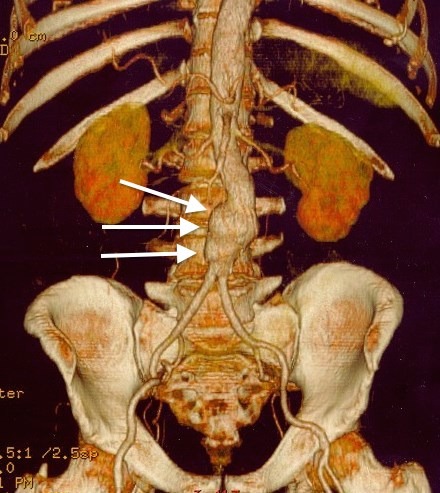
Moving from eye health to another crucial aspect of men's health, let's focus on the abdominal aortic aneurysm (AAA). This condition involves a dangerous bulge in the aorta that can rupture if not caught in time.
Unfortunately, AAA symptoms often don't show up until it's too late. That's why screening guidelines recommend an ultrasound for men aged 65 and older, especially if you've smoked.
Risk assessment is essential, considering factors like:
- High blood pressure
- High cholesterol
- Family history of vascular diseases
- History of smoking
Men's awareness of these risks can save lives by ensuring timely screening.
Even if you've never smoked, understanding your risk factors can guide your healthcare decisions. Don't wait for symptoms—be proactive.
Building a Proactive Health Routine
Although many men might overlook regular health check-ups, building a proactive health routine is crucial for long-term well-being. As you grow older, incorporating regular primary care visits can prevent delayed medical care and advanced diseases.
Annual blood tests in your 20s and 30s help monitor blood cells, chemistry, and cholesterol levels. In your 40s, start routine screenings like colonoscopies at the age of 45, especially if you have a family history. At 55, PSA tests for prostate cancer become significant.
Once you're 60 or older, continue annual check-ups, blood tests, and screenings. Engage with healthcare providers to personalize your screening plans, considering your lifestyle habits and age-related risks.
This routine not only supports physical health but bolsters mental wellness too.
Final Thoughts
Staying on top of routine health screenings is one of the best ways for men to protect their long-term well-being. By catching potential issues early, these tests provide an opportunity for effective treatment and lifestyle adjustments that can prevent serious complications. Ignoring regular checkups only increases the risk of undetected conditions that could impact quality of life.