
The City That Plans to Last: Austin’s Architecture and Economy in Sync
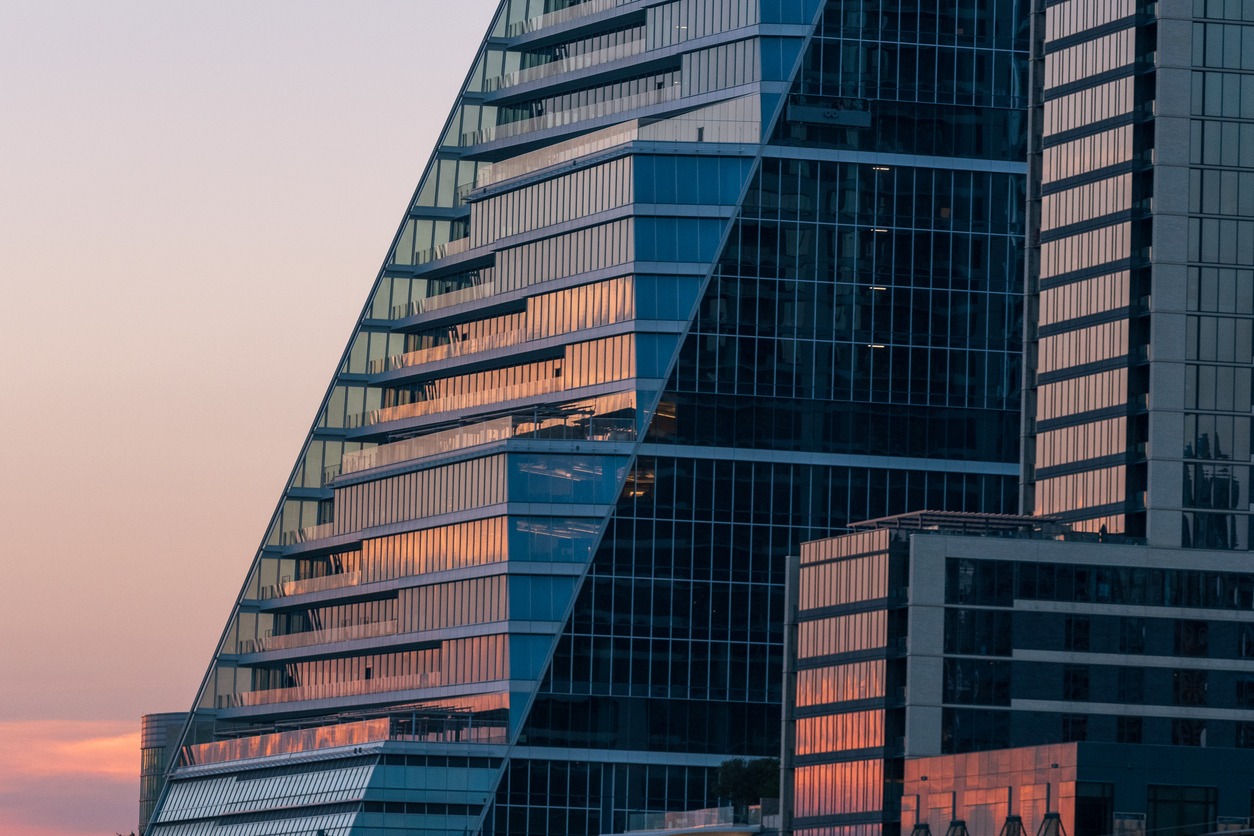
From limestone facades to low-carbon standards, Austin is building a future that looks good and lives better. You'll find Mid-century modern and Spanish Revival styles utilizing local materials alongside resilient infrastructure.
The city's economy has expanded beyond tech into life sciences and advanced manufacturing, while the housing market offers improved value with median prices settling around the mid-$400,000s. Green initiatives have saved large volumes of water while preserving neighborhood identity. The full story reveals an even more impressive transformation.
The Urban Canvas: Austin's Architectural Renaissance
While many cities struggle to find their architectural identity, Austin has embraced a vibrant renaissance that blends practical necessity with artistic vision. You'll notice the city's architectural DNA in its Mid-century modern homes with clean lines and expansive windows, alongside Craftsman houses featuring hand-crafted exposed beams and functional layouts.
The Hill Country style seamlessly integrates buildings into the landscape using native limestone and cedar, while Spanish Revival structures with stucco exteriors stand resilient against Texas heat. These designs prioritize local materials that reflect the region's natural resources while reducing environmental impact.
Beyond aesthetics, Austin's built environment prioritizes resilient infrastructure that responds to climate challenges through passive cooling systems and strategic orientation. The city's thoughtful transportation planning complements these architectural choices, creating neighborhoods where form and function unite in a distinctly Texan yet forward-thinking expression.
Beyond Tech: The Diversified Economic Foundation
Though tech headlines dominate Austin's economic narrative, the city's true strength lies in its increasingly diversified business landscape. You'll find a metropolis transforming beyond silicon aspirations, with life sciences, manufacturing, and creative industries flourishing through robust public-private partnerships.
As Austin grows within a fast-expanding metro topping two million residents, workforce upskilling initiatives address critical skills gaps across sectors. The area’s sustained expansion has positioned it among the nation’s top-performing regional economies in recent years.
- Life sciences innovation accelerated by Dell Medical School and UT Austin research partnerships
- Manufacturing growth providing stability and middle-skill employment opportunities
- Creative and CPG startups showcasing Austin's entrepreneurial versatility
- Tourism and government sectors offering recession-resilient economic foundations
This diversification, supported by multi-billion-dollar infrastructure investments, strengthens Austin's resilience against sector-specific downturns while accommodating the region's steady growth trajectory.
Living Spaces That Bridge Affordability and Luxury
View this post on Instagram
As Austin's housing market corrects from previous highs, a unique opportunity has emerged for residents seeking both value and quality in their living spaces. With median home prices edging into the mid-$400,000s and inventory improving, you'll find more negotiating power and selection than in years past.
You can now access equitable home-financing solutions while the market shows months-of-supply at multi-year highs. Renters benefit too, as higher vacancy rates have tempered rents while maintaining discretionary amenities like resort pools and smart-home technology. Developments like The Anderson provide elevated living experiences at competitive prices during this market shift.
This market correction doesn't affect all segments equally; luxury enclaves in the Hill Country continue to command premiums, while construction efficiencies help developers deliver upscale features at more accessible price points.
Green Integration: Sustainability at the Core of Growth
Since establishing one of the nation’s first green building programs in 1991, Austin has transformed sustainability from an alternative approach to the foundation of its urban development strategy.
When you build or renovate in Austin today, you're joining a system that saves hundreds of millions of gallons of water and diverts hundreds of thousands of tons of construction waste from landfills over time. The program has earned international recognition for its pioneering approach to sustainable building practices.
The city's sustainable infrastructure initiatives aren't just environmentally sound—they're driving economic sustainability through innovative policies:
- S.M.A.R.T. Housing programs blend affordability with green standards
- Density bonus programs incentivize developers to exceed environmental codes
- PUD zoning preserves natural environments while encouraging innovative design
- Star-rating systems provide transparent metrics for measuring building performance
Austin consistently ranks among America's most sustainable metro areas, proving green growth drives market competitiveness.
The Evolution of Austin's Neighborhood Identity
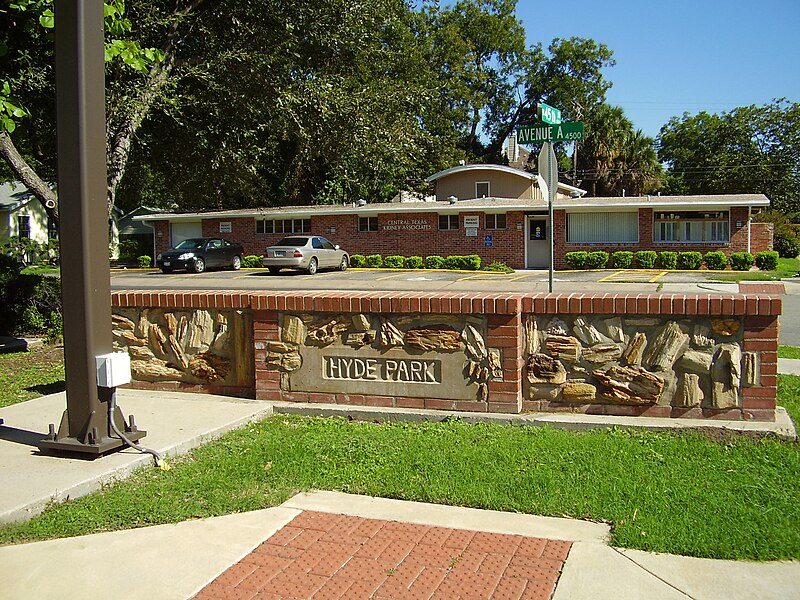
Austin's sustainable approach to urban development operates alongside a rich tapestry of neighborhood evolution that defines the city's character. You'll find this identity shaped by early transportation innovations, with areas like Hyde Park (1891) emerging around streetcar lines that connected residents to downtown.
The city's history reflects complex demographic shifts, from the 1928 City Plan that formalized racial segregation to the 1968 Fair Housing Act that sought to dismantle these divisions. The mid-1990s emphasis on neighborhood-level planning represented a significant shift in Austin's planning philosophy. Urban renewal projects of the 1960s–70s disrupted established communities while simultaneously attempting economic revitalization.
Today's neighborhood planning reflects a shift toward preservation priorities, balancing growth pressures with historic character. After citywide planning efforts in earlier decades fell short, Austin embraced neighborhood-specific planning that incorporated resident input to protect community identity amid development.