
Strategies for Success in Competitive Singles and Doubles
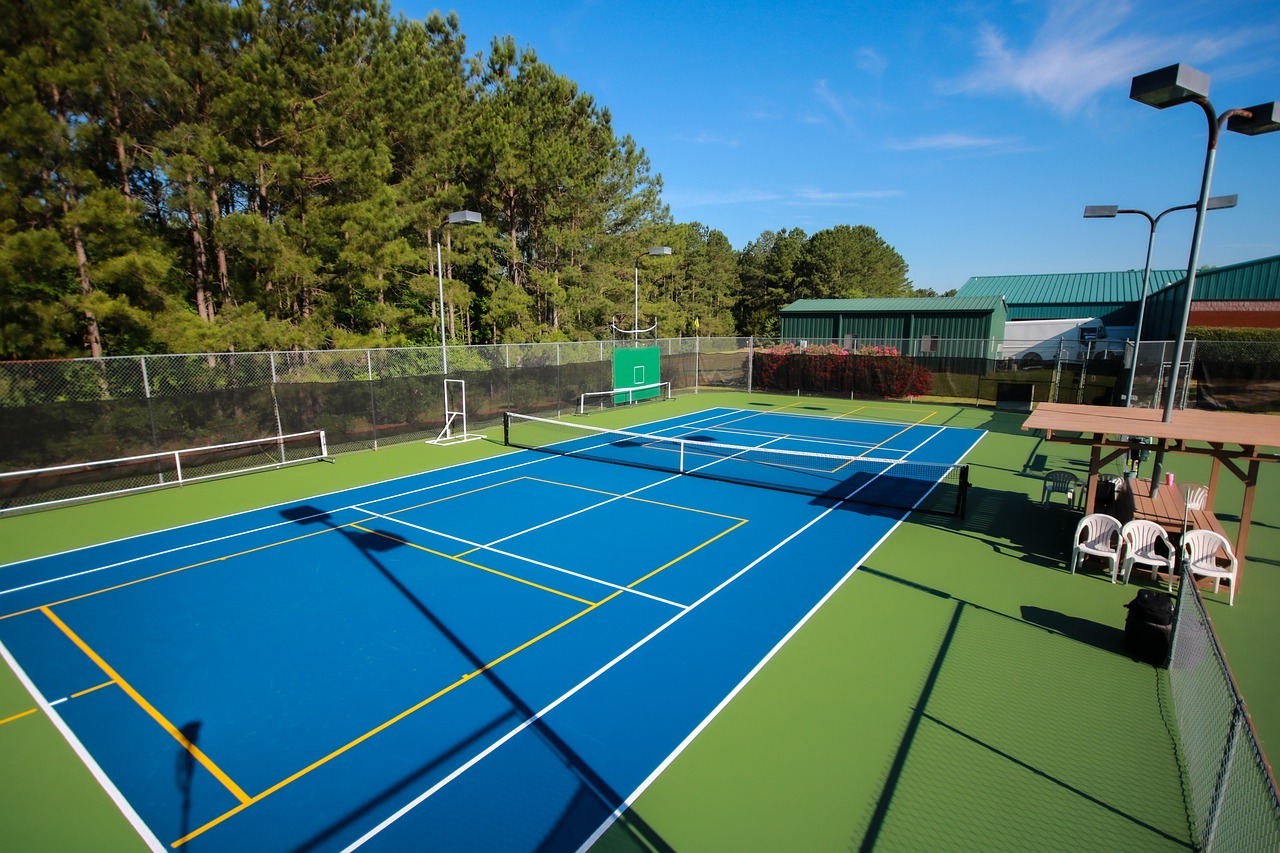
In the fast-growing world of pickleball, competition is fiercer than a summer sun in Utah. If you're seeking to improve your game, whether in singles or doubles, this comprehensive guide will provide you with expert strategies tailored to the challenges faced in each format. From mastering court positioning to honing your shot selection, you'll find actionable tips to elevate your performance on the court.
Take Advantage of Pickleball's Unique Rules
Pickleball boasts a unique set of rules that can be strategically utilized to outsmart your opponent. One such rule is the 'two bounce rule,' which states that the ball must bounce once on each side before players are allowed to volley. Use this to your advantage by positioning yourself optimally to return volleys and limit your opponent's options.
Another critical rule is the 'kitchen' or non-volley zone, which can be pivotal in both singles and doubles play. In singles, controlling this area can significantly reduce your opponent's ability to execute effective volleys. In doubles, teamwork becomes essential as one player covers the kitchen while the other sets up for powerful overhead shots.
Also, familiarizing yourself with the service rules can give you an edge. The type and placement of your serve can dictate the pace of the game, so consider varying both to keep your opponents guessing.
Improve Your Court Positioning
Effective court positioning is vital in pickleball, especially when transitioning between singles and doubles. In singles play, maintaining a central position allows for quick responses to your opponent's shots. Conversely, in doubles, effective communication and positioning between partners can create opportunities and minimize gaps for opponents to exploit.
In singles, aim to stand slightly behind the baseline, ready to move forward for short balls or to retreat for deep shots. This position allows for a balanced response to your opponent's actions. Use footwork drills to practice moving laterally and forward quickly, improving your overall agility.
For doubles, establishing a formation based on your team's strengths is crucial. The 'side-by-side' formation works well for aggressive teams, whereas the 'one-up-one-back' formation provides a balanced approach for defensive play. Regularly practicing these formations during training sessions can improve your team's synergy and effectiveness during matches.
Fine-Tune Your Shot Selection
Your choice of shots can drastically influence the outcome of any pickleball match. Understanding which shots to use in different situations is key to executing a successful game plan.
In singles, players often rely on a mix of drives and drops. Drives are powerful shots aimed deep into the opponent's court, while drops are softer shots that land just over the net. Using a combination of these shots can create openings for a winning shot. For instance, if your opponent stands far behind the baseline to return a deep drive, follow up with a well-placed drop shot to catch them off guard.
In doubles, shot selection becomes a collaborative effort between partners. Consider using a strategy called 'banger and dinker.' One partner can play aggressively, hitting powerful shots (the banger) while the other plays more strategically, using softer shots to place the ball in the opponent's weak spots (the dinker). Practicing this dynamic during training can greatly enhance your team's adaptability in matches.
Build Your Physical and Mental Endurance
The physical and mental demands of competitive pickleball cannot be overstated. Engaging in regular aerobic exercises, such as running or cycling, can improve your stamina. Strength training, focusing particularly on your core and legs, can enhance your power and stability during games.
Equally important is mental endurance. Exercises such as yoga can improve your focus and reduce anxiety, enabling you to maintain your composure under pressure. Visualization techniques, where you mentally rehearse successful shots and strategies, can also boost your confidence and performance.
Consider incorporating these endurance-building activities into your training routine. Not only will they prepare you for the physical demands of competitive play, but they will also sharpen your mental skills, making you a more formidable opponent on the court.
Stay Distracted Free and Focused
In our fast-paced world, distractions are everywhere. Your phone can notify you of a new trend, tool, or channel like a YouTube channel dedicated to the latest in the Pickleball court contractors in Utah. Staying focused on the game at hand – and your pre-game strategy – can make a world of difference.
One effective way to do this is to create a pre-game routine that helps you tune out distractions. This could be a few minutes of deep breathing, a short stretch, or even a specific warm-up drill. By consistently following the same routine before each game, you signal to your mind that it’s time to focus.
Consider discussing strategies with your partner beforehand. This way, once you're on the court, you can concentrate solely on executing your game plan without worrying about which shots they'll play. Keeping your mind on the match and minimizing distractions can help elevate your performance.
Conclusion
Improving your competitive pickleball game, whether in singles or doubles, requires a holistic approach. From understanding and utilizing the unique rules of the game to enhancing your physical and mental endurance, each element plays a crucial role in achieving success.
To take your game to the next level, ensure you continually practice the strategies outlined in this post, and never hesitate to seek advice from local experts, coaches, or even fellow players. Remember, every player has their own style and strengths. By refining your skills and strategies, you will not only become a better player but also enjoy the game even more.
Keep an eye out for upcoming tournaments in your area, or look into joining a local club. Connecting with other players in your community can provide valuable opportunities for practice, competition, and camaraderie.