
Risk Management Techniques in Forex Trading: Safeguarding Your Investments
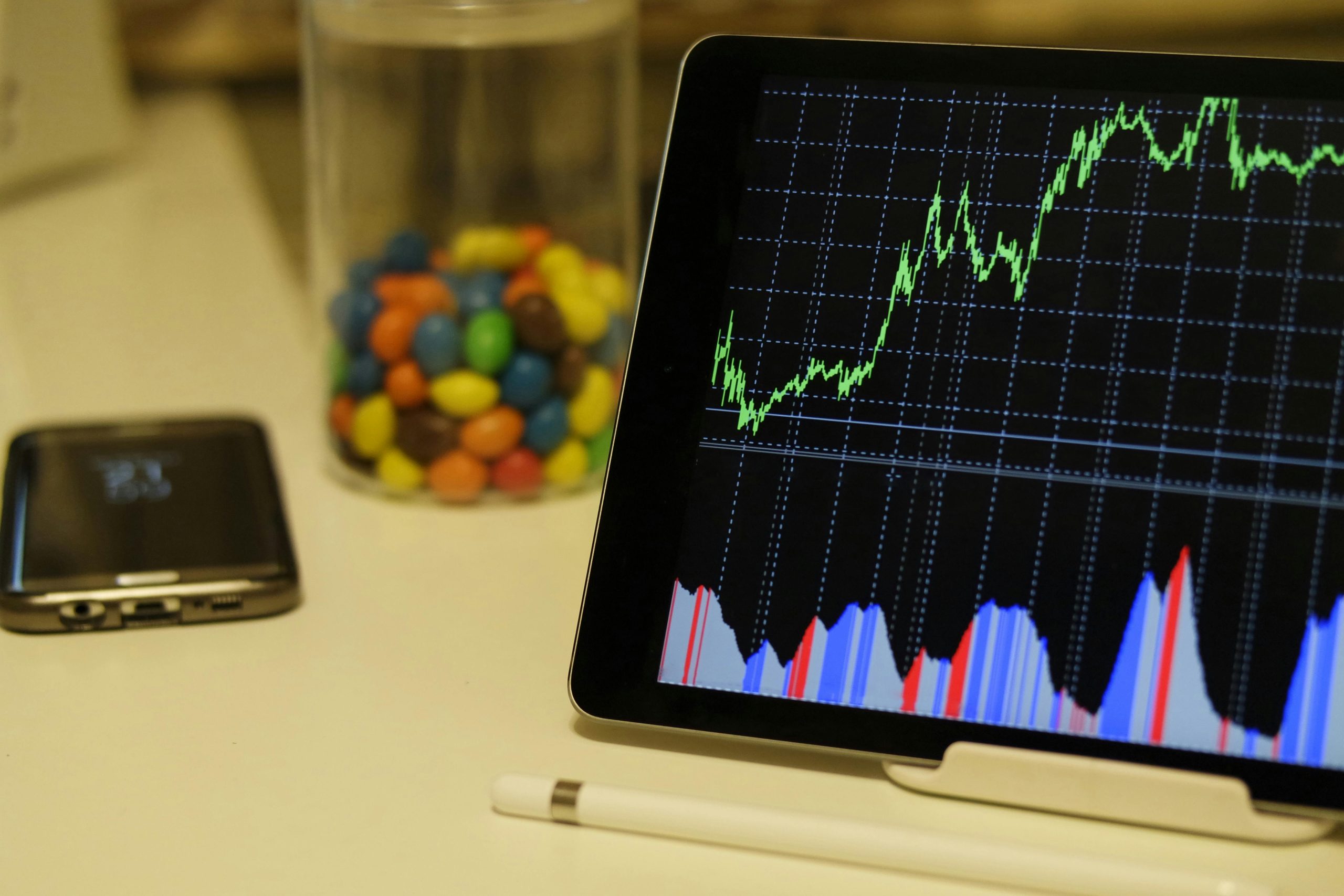
Modern currency trading is the process of buying and selling currencies for profit. This market is one of the largest and most liquid in the world. Every day, its volume of trading exceeds 6 trillion dollars. RoboForex brokers review can guarantee you an accurate evaluation of that.
Modern currency trading offers many opportunities for earning but requires deep market understanding and risk-taking. Every year, specialists create innovative techniques and tools that help traders to successfully trade currency. Keeping a Trading Journal is an essential tool for traders, allowing them to track progress, analyze mistakes, and refine strategies for better risk management. In this article, we will tell you about the main features of risk management and its advantages for online trading.
Foreign exchange market: its essence and relation with financial risks
Many traders use specialised platforms, programs and mobile applications. Each of them provides users with the most relevant tools for market analysis, transaction execution and risk management. Besides, leverage is an excellent opportunity, provided by many brokers. Leverage allows traders to control their finances and save at the same time.
Market analysis remains one of the main parameters of modern Forex. Traders use technical and fundamental analysis to make decisions. Technical analysis includes the study of charts and indicators and fundamental analysis is based on economic news and events affecting exchange rates. Each of these tools not only makes it easier to work in the foreign exchange market but also makes it possible.
Do you know how tight currency trading is with high risks? In this regard, every trader should have risk management strategies, such as setting stop-loss and portfolio diversification.
Risk management methods for modern Forex
Risk management is the process of identifying, assessing and managing risks that may adversely affect the achievement of an organisation’s or project’s goals. The essence of risk management is to minimise potential losses and maximise opportunities by using a systems approach to managing uncertainty. Nowadays, professional risk management involves several interrelated stages.
- Identification of risks. In this phase, specialists identify possible risks that may arise during the operation. This may include financial, transaction, strategic and other types of risks.
- Risk assessment. After the identification of risks, experts carry out their analysis. For example, they assess the likelihood of each risk and its potential impact on the organisation.
- Developing a risk management strategy. Then, the experts develop strategies for managing risks based on the information received. This may include avoiding or reducing risks.
- Monitoring and control. Risk management processes are continuous. Once the experts have implemented strategies, they should monitor and control risks regularly. This will help them adapt to changes in the external and internal environment.
Risk management is one of the key aspects of successful trading in the Forex market. It includes a set of strategies and techniques aimed at minimising potential losses and protecting the trader’s start-up capital. In a highly volatile foreign exchange market, effective risk management becomes a prerequisite for long-term profitability. For this reason, it has several basic principles.
Risk level definition
Traders should determine how much capital they are willing to risk in each trade. This is the first step before starting trading currencies. As a rule, experts recommend not to risk more than two per cent of total capital per deal. This allows you to save capital even in case of a series of failed transactions.
Stop-losses using
Stop-loss is an order that automatically closes the position when a certain level of loss is reached. Installing stop-loss helps investors limit losses. Also, it gives traders protection from unexpected market movements and financial resources. It is worth noting that the selection of a stop-loss level is an important procedure since regular volatility does not change.
Diversification
Portfolio diversification is a strategy that consists of allocating investments between different currency pairs and assets. This helps to reduce the overall risk since financial losses in one position can be offset by profit in another.
Risk-return analysis
Before opening a transaction, the trader should estimate the potential profit compared to the possible loss. The risk-return ratio should be at least 1:2. As a result of this ratio, the potential profit should be twice as much as the possible loss of funds.
Trading psychology
Emotions can have a big impact on the trader’s decision-making. We mean excessive anxiety or greed, which can lead to impulsive actions and increase financial and professional risks for the trader. This suggests that traders should develop a sense of balance and emotional stability so that they do not have to struggle with the rules of currency trading.
Risk management strategy
There are several risk management strategies that traders can use to protect their capital. The martingale strategy involves doubling the bet after each failed deal. This is a rather risky tactic. Trend trading tactics help traders reduce financial risks since a trader uses the strengths of trends to make a profit. Also, the Kelly criterion is a mathematical formula that helps to determine the optimal size of the exchange rate. It helps traders maximise long-term capital growth.
In general, training and constant market analysis are important aspects of risk management. Traders should constantly enhance their knowledge of market principles and rules, economic news and events in the global market.
Conclusion
Most of the trading in financial markets is done with algorithms and high-frequency trading. This allows traders to execute trades in milliseconds, giving them a competitive advantage. Many traders use economic news and events to make decisions as well. So, the publication of employment data or interest rate changes can cause sharp fluctuations in exchange rates.
In turn, effective risk management helps organisations not only to avoid losses but also to utilise opportunities for growth and development based on an understanding of risks and uncertainties. Risk management in trading on Forex is an integral part of a successful strategy. It helps traders minimise losses, protect capital and achieve stable profitability. The application of different risk management methods and strategies remains the essential factor for achieving success in this volatile industry.