Masculine Leadership Through History: San Antonio’s Influential Men
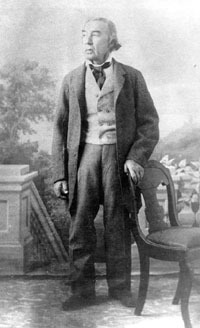
San Antonio's masculine leadership spans diverse spheres of influence. You'll discover figures like José Antonio Navarro, who signed Texas' Declaration of Independence, and Charles Bellinger, who built Black political power despite segregation.
Religious leaders from Father Damián Massanet to Archbishop Arthur Jerome Drossaerts shaped the city's spiritual foundation, while business titans established economic frameworks. Military commanders and political pioneers like Juan Seguín transformed frontier justice into lasting institutions. Their complex legacies continue to resonate throughout the city today.
Revolutionary Roots: José Antonio Navarro's Legal and Political Legacy
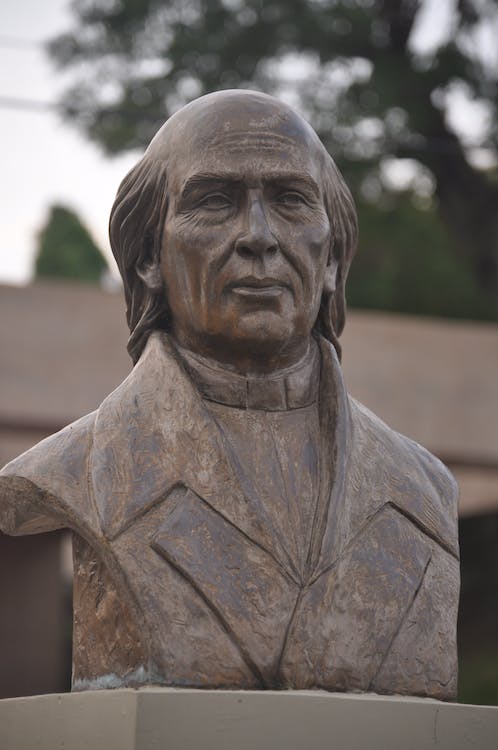
Though often overshadowed in mainstream historical accounts, José Antonio Navarro stands as one of Texas's most influential founding fathers. As one of only two native Tejanos to sign the Texas Declaration of Independence, he wielded his legal training to shape the young republic's foundation.
His commitment to Texas was tested during his harrowing imprisonment in Mexico. Captured during the 1841 Santa Fe Expedition, Navarro endured a death sentence (later commuted) and years of harsh confinement before his dramatic escape. He returned to continue his fight for equal rights, later helping draft Texas's first state constitution.
You'll find Navarro's legislative priorities consistently centered on protecting Tejano rights amid growing Anglo political power. After Texas gained independence, he represented Bexar County in the Congress of the Republic of Texas, collaborating with Juan Seguín to advance legislation safeguarding his community's interests.
His early political experience included serving in the legislature of Coahuila y Tejas, where he developed the skills that would make him effective in championing Tejano causes.
The Bellinger Dynasty: Building Black Political Power in Segregated San Antonio
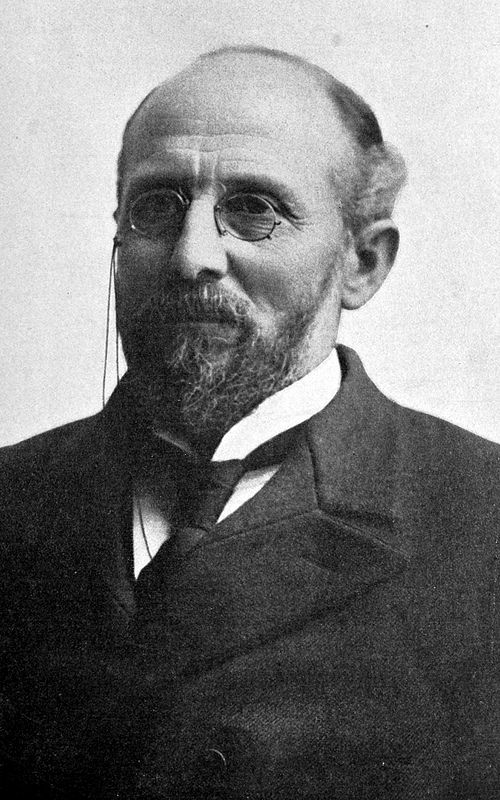
While José Antonio Navarro fought for Tejano rights in early Texas, another powerful leader emerged in segregated San Antonio decades later. Charles Bellinger, born in 1875, transformed from a farmer into a business mogul whose empire of saloons, theaters, and real estate provided the foundation for unprecedented Black political influence.
Despite never holding office himself, Bellinger's pragmatic patronage system controlled up to 8,000 votes—roughly 25% of San Antonio's electorate. You'll find his legacy in the improved schools, paved streets, and community facilities he secured for Black neighborhoods by making himself indispensable to Anglo politicians. His impressive 1920s mansion rivaled luxury homes in white neighborhoods like Monte Vista or Olmos Park – areas where discriminatory practices made it difficult or impossible for Black residents to build.
Even when facing KKK intimidation and politically motivated tax charges, the Bellingers persisted. Through his son Valmo Bellinger’s newspaper leadership, they demonstrated how racial restraints overcome through economic power could create lasting political change.
Faith and Community: Religious Figures Shaping San Antonio's Character
As Spanish colonists established their presence in the San Antonio region, religious leaders emerged as foundational figures who'd shape the city's cultural and spiritual identity for centuries to come. From Father Damián Massanet’s pioneering missionary work across Texas to Fray Antonio de Olivares's establishment of Mission San Antonio de Valero (the Alamo) in 1718, these men anchored community development through faith.
Diocesan administration evolved considerably under Bishop Anthony Dominic Pellicer’s leadership in 1874 and transformed under Archbishop Drossaerts, who preserved historic missions while expanding the Church's social role. The rich legacy continued with Archbishop Gustavo García-Siller, who has been committed to strengthening Catholic Charities to address contemporary challenges like immigration and human trafficking since his installation in 2010.
Father Virgilio Elizondo and organizations like PADRES proved instrumental in strengthening Hispanic cultural identity, integrating liberation theology with community activism. Through periods of colonization, revolution, and modernization, these religious leaders maintained continuity while adapting the Church to serve San Antonio's diverse population.
Titans of Industry: The Men Who Built San Antonio's Economic Foundation
From humble military settlements to a thriving economic center, San Antonio's industrial growth emerged through the visionary leadership of key figures who transformed the region's potential into prosperity.
You'll find their legacy in innovation in civic infrastructure that began with Canary Islander settlers, who established formal governance and expanded irrigation systems essential to early economic stability. In 1731, 16 families arrived from the Canary Islands to join the existing military community, establishing foundations for future commercial development.
The 1894 founding of The Business Men's Club (later the Chamber of Commerce) marked a pivotal shift, coordinating business interests and attracting investment. The impact of Chamber of Commerce efforts helped secure military installations like Kelly and Brooks Air Force Bases while supporting development of cultural landmarks such as the Freeman Coliseum.
These leaders strategically diversified San Antonio's economy by promoting medical foundations and educational institutions, building the framework for modern prosperity.
Frontier Justice to Military Might: Leadership in Times of Conflict
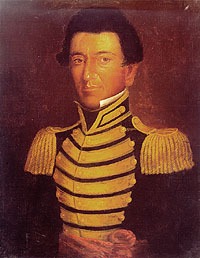
San Antonio's economic architects built commercial foundations, but the city's identity was equally forged through leadership during times of conflict. You'll find that Juan Seguín exemplifies this shift, moving from military command at San Jacinto to political leadership that shaped the growing city's development.
Men like William B. Travis and James Bowie created lasting legacies through their military contributions, often supported by marriages and close alliances with influential Tejano families. Their family connections provided essential social networks that bridged cultural divides during revolutionary periods. José Antonio Navarro played a crucial role in this era as a Tejano statesman who signed the Texas Declaration of Independence.
The Menger Hotel became a strategic hub where military men gathered, forming alliances that would influence San Antonio's trajectory. From Francisco Antonio Ruiz's eyewitness accounts of the Alamo to the Confederate leadership that maintained the city's strategic importance, these men's decisions echo through San Antonio's history.
Breaking Barriers: G.J. Sutton and the Fight for Equal Representation
While military might shaped early San Antonio, a different kind of leadership emerged through G.J. Sutton's grassroots mobilization. Born in 1909 as one of fifteen siblings in a family deeply committed to higher education, Sutton transformed the political landscape of San Antonio through strategic coalition building. You'll find his legacy particularly remarkable for shattering racial barriers in Texas politics.
- First Black elected official from Bexar County in 1948, breaking ground for future generations
- Pioneered coalition building between Black and Mexican American communities alongside leaders such as Albert Peña Jr. and Gus García
- Established a family legacy of public service continued by his wife Lou Nelle Sutton after his 1976 death
Sutton's Cherry Street home became a center for voter education during segregation, empowering marginalized communities through political engagement rather than force. His leadership in civil rights was part of the Sutton family's broader commitment to expanding representation and access in public institutions throughout San Antonio.
The Power of the Press: How Media Moguls Transformed Local Discourse
As grassroots leadership reshaped San Antonio's political landscape through Sutton's community organizing, another powerful force was simultaneously transforming the city's public discourse.
When Rupert Murdoch purchased the San Antonio Express and San Antonio Evening News in 1973, San Antonians witnessed a new era of partisan media. He quickly pushed the Evening News toward a more sensational, tabloid-style focus on crime and dramatic local events. This shift fundamentally changed how San Antonians consumed information.
Murdoch's media strategy centralized control over the city's narrative, especially after the combined Express-News became dominant and, following the San Antonio Light's closure in 1993, the primary daily newspaper in the city.
His conservative editorial stance paired with tabloid-style coverage reshaped journalistic priorities across the market. Murdoch reportedly flew into San Antonio, signed the sale agreement at the airport, and left orders to turn one of the papers into a "screamer" tabloid.
Though Murdoch sold the Express-News to the Hearst Corporation in 1992, his legacy of sensationalism in local journalism and media consolidation permanently altered how power and information flow through San Antonio's public discourse.