Inessa Lee Stuns on FHM Cover and Speaks Out Against Online Bullying
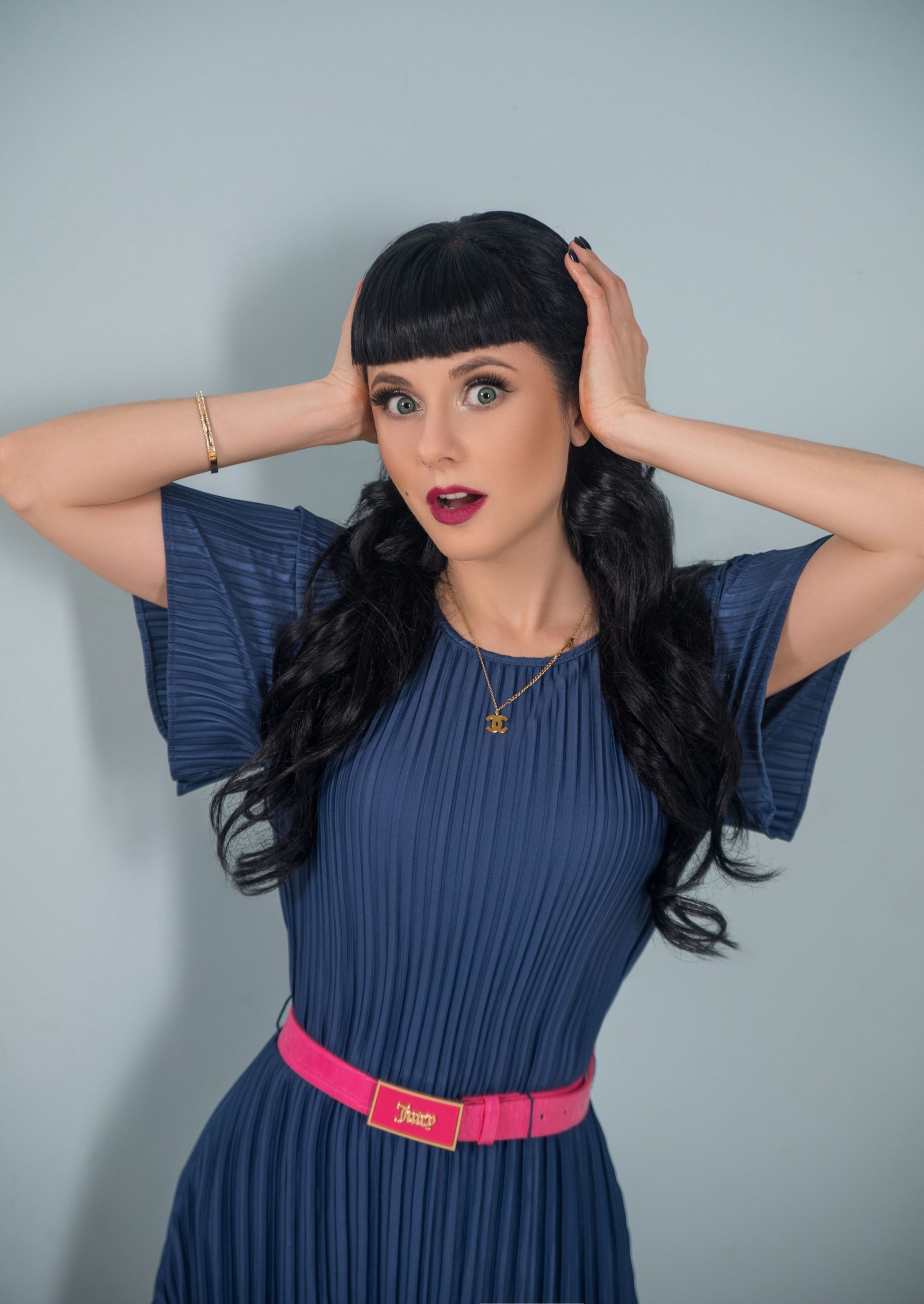
Inessa Lee, the singer and social media personality best known for her Betty Boop-inspired performances on American Idol, is back in the spotlight with a splash—this time as the July cover girl for FHM. Her vintage charm and bold style continue to make waves online, but her recent media attention also highlights a more serious issue: online harassment in the influencer world.
This article delves into how Inessa’s success in channeling the iconic 1930s cartoon character has unexpectedly made her the target of an intense cyberbullying campaign. In her FHM interview, she shared how a former Broadway actress who portrayed Betty Boop in Boop! The Musical allegedly began harassing her online. The situation, she said, escalated into threatening messages that included pressure to harm herself.
The conflict, as Inessa tells it, centers around resentment. The former actress reportedly believed Inessa’s viral videos—often featuring fun and cheeky Betty Boop parodies—overshadowed her own performances. “She blamed her failure on me,” Inessa explained, “as if I had taken away her moment.” What started as a creative homage turned into a social media storm, pulling Lee into an unexpected controversy.
Adding fuel to the fire, Inessa’s appearance on the FHM cover came shortly after Boop! The Musical announced it was shutting down. The timing, Inessa said, triggered a fresh wave of hostility on her Instagram page. According to Lee, the same actress even recruited her friend, social media personality Pierce Ream (@dangitspierce), to flood Inessa’s posts with hate-filled comments. Despite the attacks, Inessa has stood her ground and chosen a peaceful way to respond.
In a powerful act of resilience, Inessa launched a global social media initiative: the “Love Gun for Peace” flash mob. The campaign invited people everywhere to dance to her new single, “Love Gun,” turning pain into art and bullying into activism. Her message was clear—use music and dance to spread peace, not hate.
The movement quickly gained traction, attracting influencers from all over the world. Notably, one of the first to join was Japanese Michael Jackson impersonator @michael.jackton.official, who has more than 12 million followers on TikTok. His participation helped propel the campaign into a viral trend, reinforcing Inessa’s positive message.
Inessa’s flash mob also caught the attention of the nonprofit organization IFERS, co-founded by legendary producer Quincy Jones. Based in Los Angeles, IFERS promotes social good through music and supports projects that uplift communities. Their music publishing arm is helping distribute “Love Gun” as part of their broader mission to use art as a tool for change.
With her distinctive look, confident voice, and refusal to back down in the face of cruelty, Inessa Lee continues to captivate both fans and fellow creators. Her story is a reminder that fame doesn’t shield one from abuse—but it can offer a platform to speak up and inspire change.
As she continues to expand her musical career and build a powerful online presence, Inessa proves that resilience, creativity, and kindness can outshine even the darkest online storms.