
How To Style Jewelry
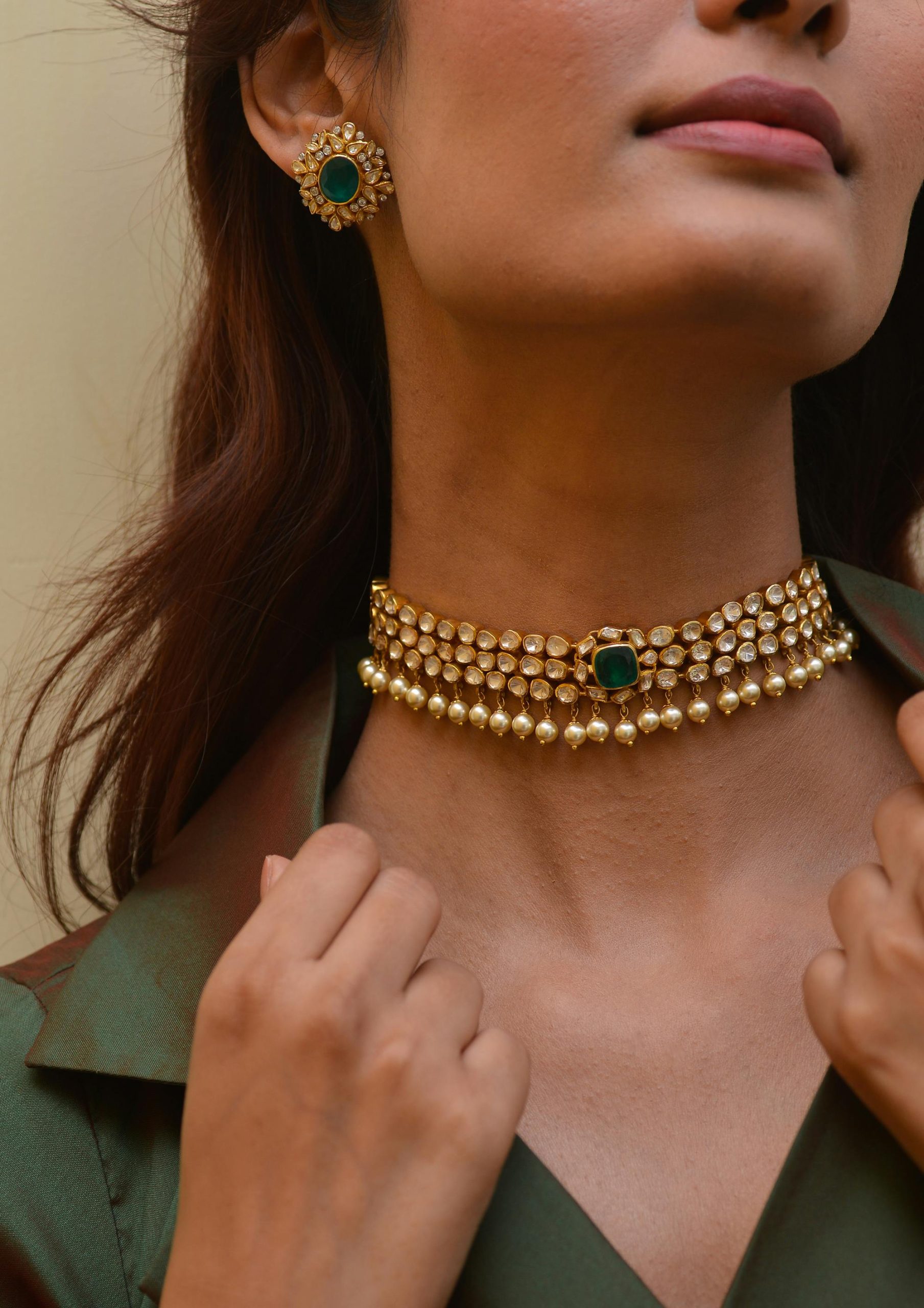
Styling jewelry can elevate your outfit and express your personality, but knowing how to do it effectively requires some finesse. Here are some tips on how to style jewelry to enhance your look and make a statement.
1. Understanding Your Style
Before you start styling jewelry, it’s essential to understand your personal style. Are you more inclined towards minimalist elegance, bohemian chic, classic sophistication, or modern edginess? Knowing your style will help you choose jewelry pieces that complement your wardrobe and personal taste.
2. Balancing Statement Pieces
One of the fundamental principles in jewelry styling is balance. When wearing a bold, statement piece such as a chunky necklace or oversized earrings, it should be the highlight of your outfit. To avoid a cluttered look, don’t pair multiple statement pieces that vie for attention. Instead, complement a statement necklace with simple studs or hoops, or allow dramatic earrings to stand out by forgoing a necklace altogether.
3. Layering with Purpose
Layering jewelry, especially necklaces and bracelets, can add depth and interest to your look. Start with a choker or short necklace, then add longer chains of varying lengths to create a cascading effect. When layering bracelets, mix and match different textures, such as bangles, cuffs, and delicate chains. The key is to keep the layers cohesive—stick to a similar color palette or theme to avoid looking cluttered.
4. Matching Metals and Colors
While mixing metals can be trendy, it’s often safer to stick to one metal color for a more polished look. If you do mix, ensure the pieces complement each other in terms of design and style. Matching the color of your jewelry to the hues in your outfit can also create a harmonious look. For instance, gold jewelry pairs well with warm tones like reds and oranges, while silver looks great with cool tones like blues and greens.
5. Considering the Occasion
Your jewelry should be appropriate for the occasion. For formal events, opt for classic and sophisticated pieces like pearl earrings, diamond studs, or a simple gold bracelet. For casual outings, you can experiment with more playful and trendy pieces. In a professional setting, keep it understated with minimalist designs that add elegance without being distracting.
6. Complementing Your Outfit
When selecting necklaces, take into account the neckline of your top or dress. A V-neck works beautifully with a pendant necklace that mirrors its shape, whereas a strapless top is ideal for showcasing a statement choker. Additionally, match your bracelets and rings to your sleeves and gloves—bracelets are most flattering with shorter sleeves, and rings can make a striking impression against long sleeves.
7. Mixing Textures and Styles
Don’t be afraid to mix different textures and styles to add interest to your look. Pairing a delicate gold chain with a leather bracelet or wearing vintage-inspired earrings with a modern outfit can create a unique and personalized style. The contrast between different elements can make your jewelry stand out.
8. Proportions Matter
Consider your body proportions when styling jewelry. Petite individuals may find that delicate pieces enhance their frame, while taller or fuller-figured individuals can carry off larger, bolder pieces. The proportion of your jewelry should complement your body size to maintain balance.
9. Personal Significance
Jewelry often carries personal significance, whether it’s a family heirloom, a gift from a loved one, or bespoke jewellery from Chapter 79 that commemorates a special event. Incorporating these pieces into your daily wear can add a sentimental touch and make your jewelry styling more meaningful.
10. Confidence is Key
Ultimately, the most important aspect of styling jewelry is wearing it with confidence. Choose pieces that make you feel good and reflect your personality. When you feel confident in your jewelry, it enhances your overall look and presence.