Benefits of name puzzles for 2 years old kids
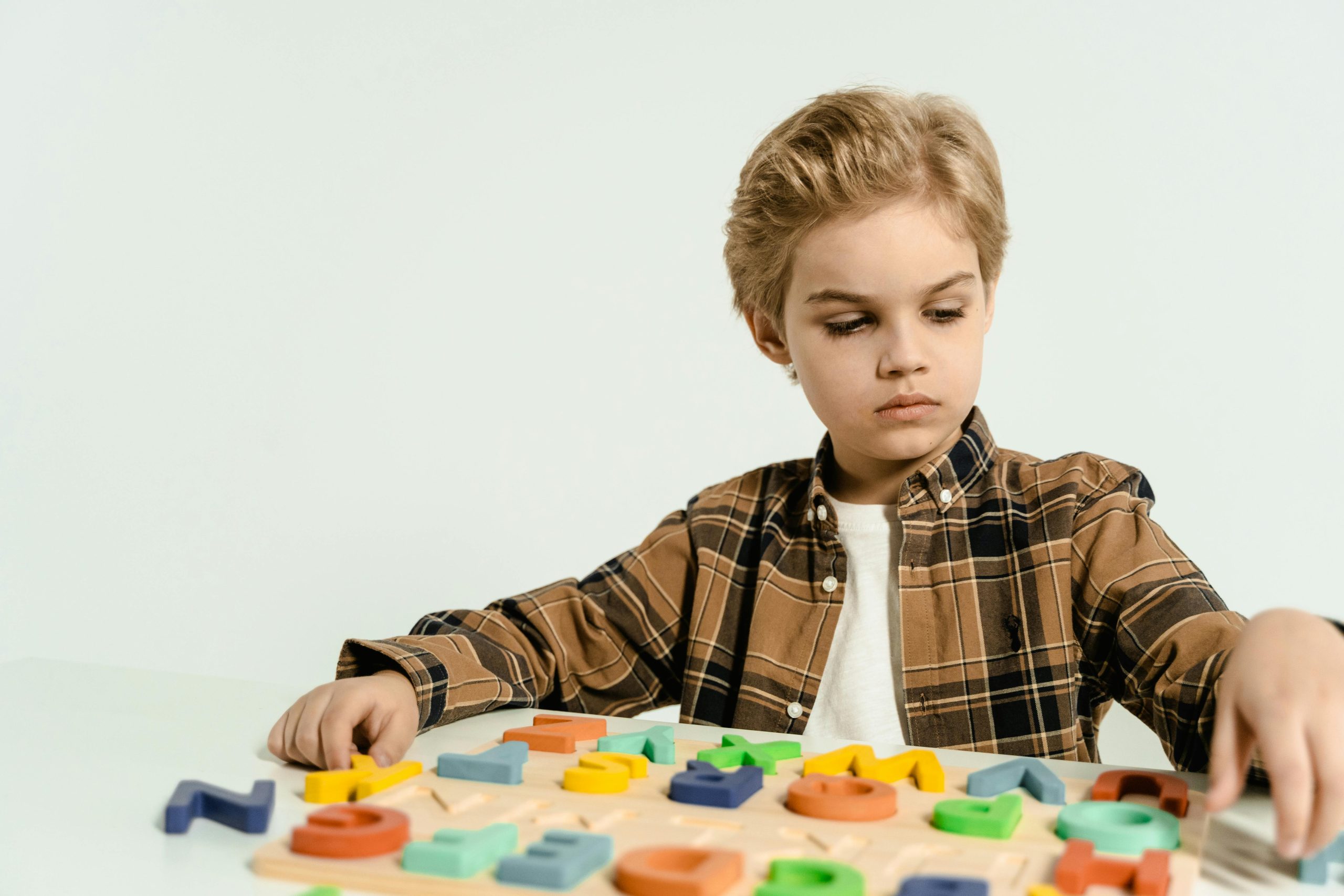
Name puzzles are simple yet powerful tools for young children. Designed to enhance early learning, these puzzles help toddlers become familiar with the letters of their names while strengthening key developmental skills. For a 2-year-old, a name puzzle from the website https://voopuzzle.com/ is more than just a toy – it’s an introduction to language, problem-solving, and self-identity. Let’s explore the various benefits that name puzzles bring to 2-year-old kids.
1. Boosting Letter Recognition
Name puzzles introduce toddlers to the letters in their names, helping them to recognize and remember each one. At two years old, children are developing cognitive skills, and exposure to letters in a playful context makes learning fun. By consistently seeing and handling the letters, kids start recognizing individual characters, which lays a foundation for reading.
- Example: A child with the name “Emma” who works on a name puzzle regularly becomes familiar with each letter, creating a connection between the visual representation of the letter and its sound.
2. Enhancing Fine Motor Skills
Manipulating the pieces of a name puzzle encourages the development of fine motor skills. Toddlers grasp, pinch, and move the letters to fit them into the correct slots, which strengthens their hand and finger muscles. These motor skills are essential for tasks like writing, drawing, and even dressing themselves as they grow older.
- Example: Picking up the small letter pieces and placing them back in the puzzle helps improve hand-eye coordination and the precision of movements.
3. Building Confidence and Independence
Successfully completing a name puzzle gives toddlers a sense of accomplishment. This feeling of achievement builds their self-confidence, encouraging them to tackle new challenges and enhancing their learning resilience.
- Example: When a toddler completes their name puzzle without assistance, they gain a sense of independence, learning that they can solve problems on their own.
4. Developing Problem-Solving Skills
Name puzzles provide an early introduction to problem-solving. Toddlers need to figure out the orientation and order of the letters, practicing basic problem-solving strategies like trial and error and learning from their mistakes.
- Example: When a child tries to place a letter in the wrong slot, they quickly realize it doesn’t fit and adjust their approach, fostering flexible thinking.
5. Encouraging Early Literacy Skills
Name puzzles provide a natural starting point for literacy by linking letters with their sounds and shapes. As children engage with the letters in their names, they begin to understand that these shapes carry meaning, paving the way for future reading and writing skills.
- Example: Saying the name of each letter aloud as the child places it into the puzzle helps connect the sound to the shape, an early step in phonetic awareness.
6. Fostering a Sense of Identity
Learning their name and recognizing it in written form is an exciting part of a toddler’s journey toward self-awareness. A name puzzle helps them feel connected to their identity, as their name is often one of the first words they learn to recognize and spell.
- Example: A child feels pride in seeing their name and learning to spell it, reinforcing their sense of self and belonging.
7. Promoting Patience and Focus
Working on a puzzle requires concentration and patience, especially for young children who are naturally energetic and curious. Spending time to complete a name puzzle helps them practice focusing on a task, which is valuable for their future learning experiences.
- Example: A toddler spends time fitting each letter, learning to focus on a single task, which enhances their attention span over time.
8. Improving Spatial Awareness
Name puzzles require children to recognize how shapes fit together within a space, which promotes spatial awareness. They learn to understand how objects relate to one another, a skill that’s essential in mathematics and physical activities.
- Example: A child turning and adjusting letters to fit correctly gains an understanding of spatial concepts like orientation and positioning.
9. Introducing Colors and Visual Discrimination
Many name puzzles feature colorful letters, adding a layer of learning by introducing colors. As children work with the puzzle, they naturally learn color recognition and practice visual discrimination, identifying differences between shapes and colors.
- Example: A parent might say, “Let’s find the blue ‘E’!” which encourages color identification while reinforcing letter recognition.
10. Encouraging Bonding Time with Parents or Caregivers
Parents and caregivers can use name puzzles to engage with their toddlers, turning puzzle time into a shared experience. Working together not only aids learning but also strengthens the child’s bond with the parent or caregiver.
- Example: A parent helps guide their child in placing each letter, talking about the colors and sounds, making it an interactive bonding experience.
11. Building Vocabulary and Language Skills
Using a name puzzle allows parents to introduce new vocabulary as they describe the letters, shapes, and colors, helping to expand a child’s language comprehension.
- Example: When playing with a name puzzle, parents might say, “Let’s put the ‘M’ in the middle. Now, can you find the ‘A’?” This dialogue introduces descriptive language and enhances listening skills.
12. Stimulating Memory Skills
Repeatedly working with a name puzzle encourages memory retention, as children remember the order of letters and recognize them more quickly over time. This builds both short- and long-term memory, which supports various other cognitive tasks.
- Example: After practicing with the puzzle multiple times, a toddler may start remembering the sequence of letters and place them without assistance.
13. Supporting Logical Thinking
Completing a name puzzle requires logical reasoning, as the child must think about which piece goes where. This process helps develop logical thinking and the ability to follow sequences, which are essential skills for early math.
- Example: A child who learns to arrange the letters in order develops a sense of logic and sequence, a foundation for future math skills.
14. Facilitating Speech Development
The auditory and verbal interaction that accompanies puzzle time can support speech development. As toddlers hear and try to say each letter, they practice forming sounds and words.
- Example: Encouraging a child to repeat the names of letters and sounds while they work on the puzzle helps them gain confidence in their speech abilities.
15. Creating a Fun Learning Experience
Name puzzles turn learning into a playful experience. When kids enjoy what they’re doing, they’re more likely to engage with educational activities. This positive experience fosters a love of learning from an early age.
- Example: A child associates learning with fun as they work on a name puzzle, making it more likely they’ll engage in similar activities that promote learning.
16. Adapting to Different Learning Styles
Name puzzles cater to various learning styles. Visual learners benefit from the bright colors and shapes, auditory learners from hearing letter names, and kinesthetic learners from the hands-on nature of the puzzle.
- Example: A child who learns best through movement can feel and touch each piece, aligning with their kinesthetic learning preference.
Conclusion: The Lasting Impact of Name Puzzles on Early Development
A name puzzle may seem simple, but its impact on a 2-year-old’s development is profound. From language skills and memory to motor abilities and problem-solving, name puzzles offer a well-rounded approach to early childhood education. These puzzles make learning personal, memorable, and engaging, encouraging toddlers to explore and build confidence in a fun way. Parents and caregivers who invest in name puzzles are setting the foundation for lifelong learning, proving that sometimes, the simplest toys make the most lasting impressions.