A Practical Guide for Men Visiting Texas for the First Time
You’ll need more time than you expect to experience Texas properly. Distances between major cities like Dallas, Austin, Houston, and San Antonio often exceed 200–300 miles, making a rental car essential for most trips. Plan your drives outside peak traffic hours (typically 7–9 AM and 4–7 PM) and pack breathable clothing, sunscreen, and comfortable footwear for the state’s heat.
Texas culture leans casual but practical, and your experience will be shaped by where you base yourself, what you eat, and how you navigate the state’s size.
Choosing Your Texas Home Base: Austin, Dallas, Houston, or San Antonio
When planning your trip, choosing the right city as your base makes a major difference in what you experience.
Austin is known for its tech scene, live music, and outdoor lifestyle. It tends to have the highest housing and lodging costs, reflecting strong demand and growth.
Dallas offers a balance of business, culture, and accessibility, with a strong job market and a central location that makes it easier to explore North Texas.
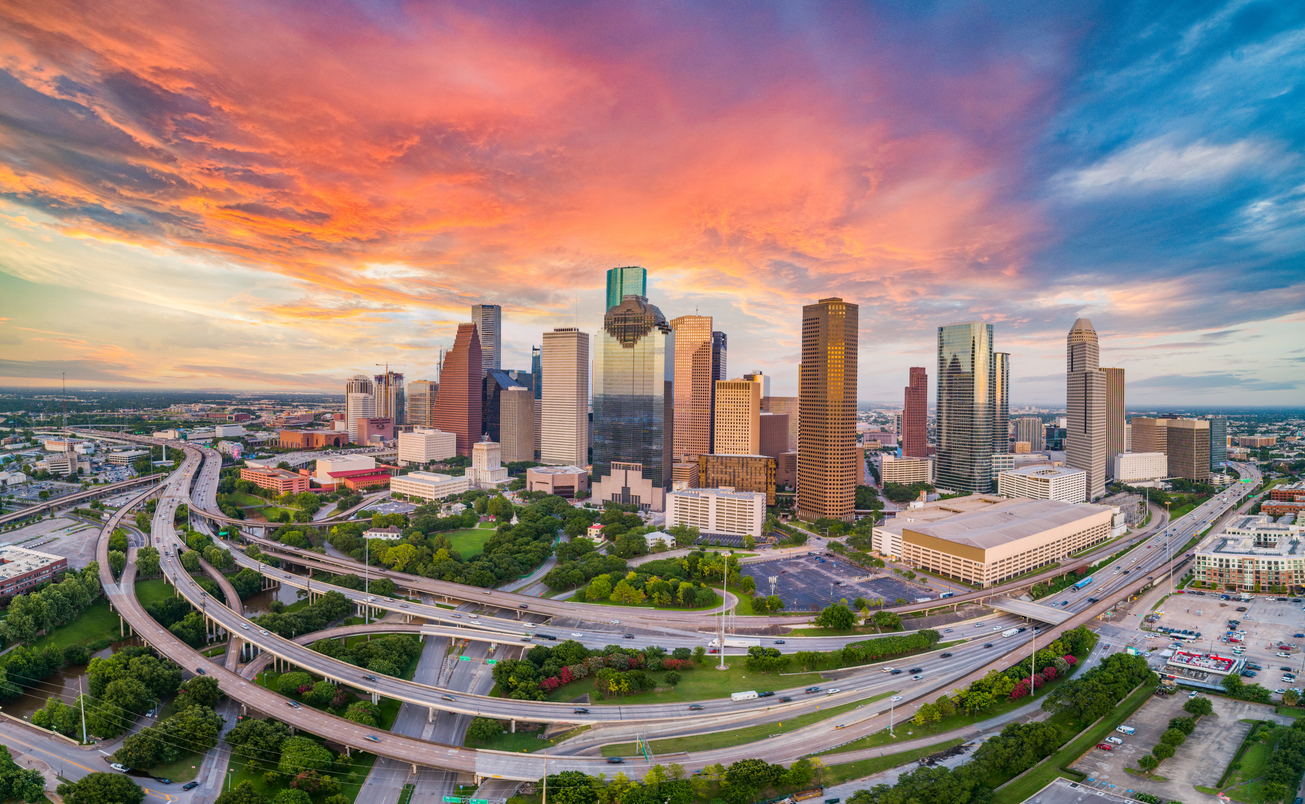
Houston provides the most diverse economy, especially in healthcare, energy, and international business, along with one of the most diverse food scenes in the country.
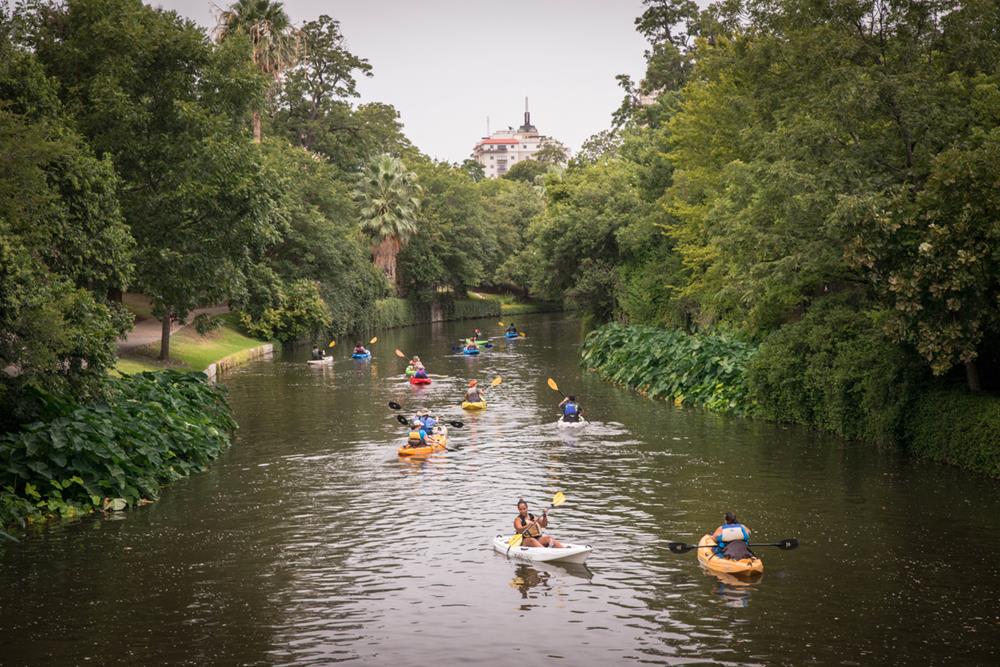
San Antonio is typically the most affordable major city, known for its historic sites, River Walk, and strong tourism infrastructure.
Each city offers a different pace and personality, so your choice should reflect your travel priorities—culture, nightlife, affordability, or outdoor access.
The Texas Food Tour: BBQ, Tacos, and Regional Specialties You Can't Miss
Texas food is one of the highlights of any visit. You’ll find regional barbecue styles, Tex-Mex traditions, and immigrant influences across the state.
In Central Texas, expect slow-smoked brisket seasoned simply with salt and pepper, often served with white bread, pickles, onions, and jalapeños.
Don’t miss:
- Fajitas, popularized in Texas using grilled skirt steak
- Chili con carne, traditionally served without beans
- Chicken fried steak with cream gravy
- San Antonio puffy tacos
- Czech kolaches, especially in Central Texas towns
Each region brings its own flavor, making food a key part of the travel experience.
Space Centers, Missions, and Museum Districts Worth the Trip
Start in Houston with Space Center Houston, the official visitor center for NASA’s Johnson Space Center. It features hundreds of artifacts, tram tours, and exhibits covering U.S. space exploration.
Across the state, you’ll also find:
- San Antonio Missions National Historical Park (UNESCO World Heritage Site)
- Dallas Arts District, the largest urban arts district in the U.S.
- Fort Worth Cultural District, home to world-class museums
These destinations highlight Texas’s mix of science, history, and art.
Car Rentals and Navigating Texas's Sprawling Cities
Texas is built for driving. Public transportation exists in major cities, but it won’t cover most visitor needs.
Key considerations:
- Long distances: Cities are far apart; plan drive times carefully
- Highways: Interstates like I-35, I-45, and I-10 connect major regions
- Parking: Garages in downtown areas, easier parking in suburbs
- Navigation: Use GPS apps and download offline maps
- Traffic: Avoid rush hours in major metros
Having your own vehicle gives you the flexibility to explore beyond city centers.
Getting Around Within Texas Cities
While a car is essential for traveling between cities, you have more flexibility once you’re in urban areas.
- Rideshare (Uber and Lyft): Widely available in all major cities and often the easiest option for short trips
- Dallas Area Rapid Transit (DART): Light rail and buses connect downtown Dallas, suburbs, and both airports
- Houston METRORail: Useful for connecting downtown, the Museum District, and the Texas Medical Center
- Austin: Primarily car and rideshare dependent, though scooters and bikes are common downtown
- Parking Tips: Downtown areas use garages and paid street parking, while suburban areas typically offer free parking
Using a mix of driving, rideshare, and transit helps reduce stress, especially in busy downtown districts.
Austin Breweries, San Antonio Honky-Tonks, and Live Music Venues
Texas nightlife varies widely by city, but it consistently centers around live music, bars, and social venues.
In Austin, explore breweries and music venues in areas like South Congress and East Austin.
In San Antonio, visit spots like Cowboys Dancehall for traditional country dancing or explore Southtown and the Pearl District for a more modern nightlife scene.
In Dallas, neighborhoods like Deep Ellum offer live music and late-night entertainment.
Each city blends local culture with music, making nightlife a key part of the Texas experience.
Day Trips and Outdoor Adventures: From Zilker Park to Galveston
Texas offers easy access to outdoor experiences near major cities.
Zilker Park in Austin features over 350 acres of green space, including Barton Springs Pool, which stays around 68–70°F year-round.
Other outdoor options include:
- Lady Bird Lake for kayaking and paddleboarding
- Galveston Island for beaches and coastal views
- Hill Country for hiking, wineries, and scenic drives
These destinations provide a break from city exploration while showcasing Texas landscapes.
Packing for Extreme Heat and Casual Texas Culture
Texas weather can be intense, especially in summer when temperatures often exceed 95–100°F.
Pack:
- Lightweight, breathable fabrics like cotton and linen
- Moisture-wicking shirts for outdoor activities
- Comfortable walking shoes
- Sunglasses, hats, and sunscreen
Dress is generally casual. Shorts, jeans, and T-shirts are widely accepted, though some venues may require slightly more polished attire.
Texas Etiquette: Southern Hospitality Rules You Should Know
Texas culture emphasizes friendliness and respect. You’ll notice people greeting strangers and engaging in casual conversation.
Keep in mind:
- Use “sir” and “ma’am” in polite interactions
- Bring a small gift if invited to someone’s home
- Be open to conversation—Texans are generally welcoming
- Avoid controversial topics unless you know your audience
Hospitality is part of daily life, and responding with respect goes a long way.
Planning Your Route: How to Cover Ground in Texas
Texas is vast—over 268,000 square miles—so it’s best to focus on a region rather than trying to see everything.
Popular route options include:
- Austin + Hill Country loop (Fredericksburg, wineries, scenic drives)
- Dallas–Fort Worth metro exploration
- San Antonio + Austin combo trip
Major highways offer speed, while smaller roads like US-290 or FM routes provide more scenic drives.
Conclusion
Visiting Texas for the first time means balancing distance, culture, and variety. Whether you're exploring cities, trying local food, or heading outdoors, the key is to plan around regions rather than the entire state.
Take your time, stay flexible, and lean into the local culture—you’ll find that Texas rewards travelers who explore it at a steady pace.