
5 Qualities to Look for in High-Quality Preschool
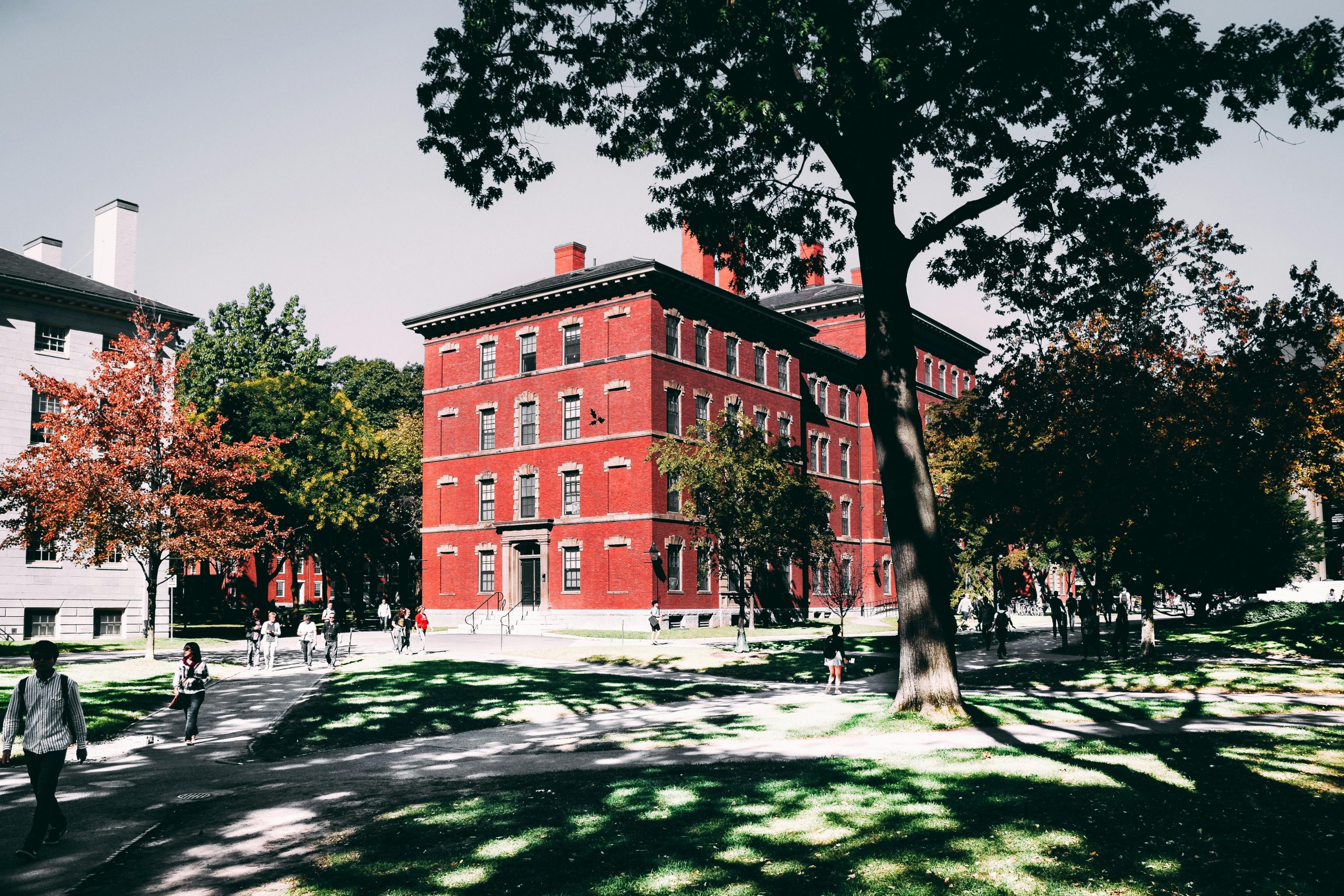
Choosing the right school for your child is one of the most significant decisions you'll make as a parent. The early years of education lay the foundation for future learning and emotional well-being. Quality institutions can provide a nurturing environment that fosters growth and a love for learning. However, with so many options available, it can be challenging to discern which schools offer the best experiences for young learners.
Understanding the essential qualities that define an excellent preschool can help you make a decision that sets your child up for success. From a well-rounded curriculum to a safe and stimulating environment, these attributes are crucial for ensuring your child's experience is enriching and enjoyable. Here are five essential qualities to look for in a high-quality school.
Qualified and Caring Staff
The backbone of any high-quality preschool is its staff. Teachers and caregivers should possess the necessary educational qualifications and genuinely love working with children. Look for schools where the staff is trained in early childhood education and continuously engage in professional development.
But qualifications aren’t enough. It's critical to observe how staff interact with children. Do they show warmth, patience, and enthusiasm? Are they attentive to each child's needs? A caring staff creates a safe and loving environment where children can thrive.
Comprehensive Curriculum
A well-rounded curriculum is vital for a school. It should be designed to promote all areas of a child's development—cognitive, social, emotional, and physical growth. A high-quality school will offer balanced activities that encourage learning through play, structured lessons, and free exploration.
This blend ensures children develop problem-solving skills, creativity, and independence. When evaluating a school, ask about its curriculum. Is it play-based? Does it incorporate arts, music, and outdoor activities? A curriculum that supports holistic development is critical.
Safe and Stimulating Environment
Safety is paramount when choosing a school. The facility should adhere to stringent safety protocols and maintain a clean and hygienic environment. Look into secure entry and exit points, childproofed furniture and equipment, and regular safety drills.
Beyond safety, the environment should be stimulating and inviting. Classrooms should be well-organized and filled with age-appropriate toys and learning materials that spark curiosity and creativity. Outdoor play areas should be safe and provide opportunities for physical activity.
Low Child-to-Teacher Ratios
Low child-to-teacher ratios ensure each child receives adequate attention and support. Small class sizes in a high-quality education institution allow teachers to develop strong, individual relationships with each child. Teachers can understand their unique needs and tailor activities to suit them.
Personalized attention fosters a sense of security and belonging, which is crucial for young children. When visiting such institutions, inquire about their class sizes and the ratio of children to teachers. A lower ratio often translates to better care and more meaningful interactions.
Parental Involvement and Communication
A good school values and encourages parental involvement. Look for institutions with an open-door policy, allowing parents to visit and participate in activities. Regular communication between the institution and parents is also vital. It can be through daily reports, newsletters, or parent-teacher meetings.
Active involvement in your child’s school experience helps reinforce learning at home and keeps you informed about their progress and any concerns. Transparent and consistent communication builds a partnership between parents and educators. Such flexibility ensures the best outcomes for the child.
Choosing an institution is a significant decision, but by focusing on these qualities, you can find a setting that provides a strong foundation for your child’s future learning. Take the time to visit several schools, observe the environment, and talk to the staff. Trust your instincts and choose an educational institution where you feel confident your child will be happy, safe, and stimulated.
A high-quality school doesn’t just prepare children for the academic challenges ahead. It nurtures their overall development, instils a love of learning, and helps them build the social and emotional skills necessary for lifelong success. By prioritizing these essential qualities, you can make a choice that benefits your child's growth and well-being.