10 Essential Custom Suit Details Every Man Should Consider
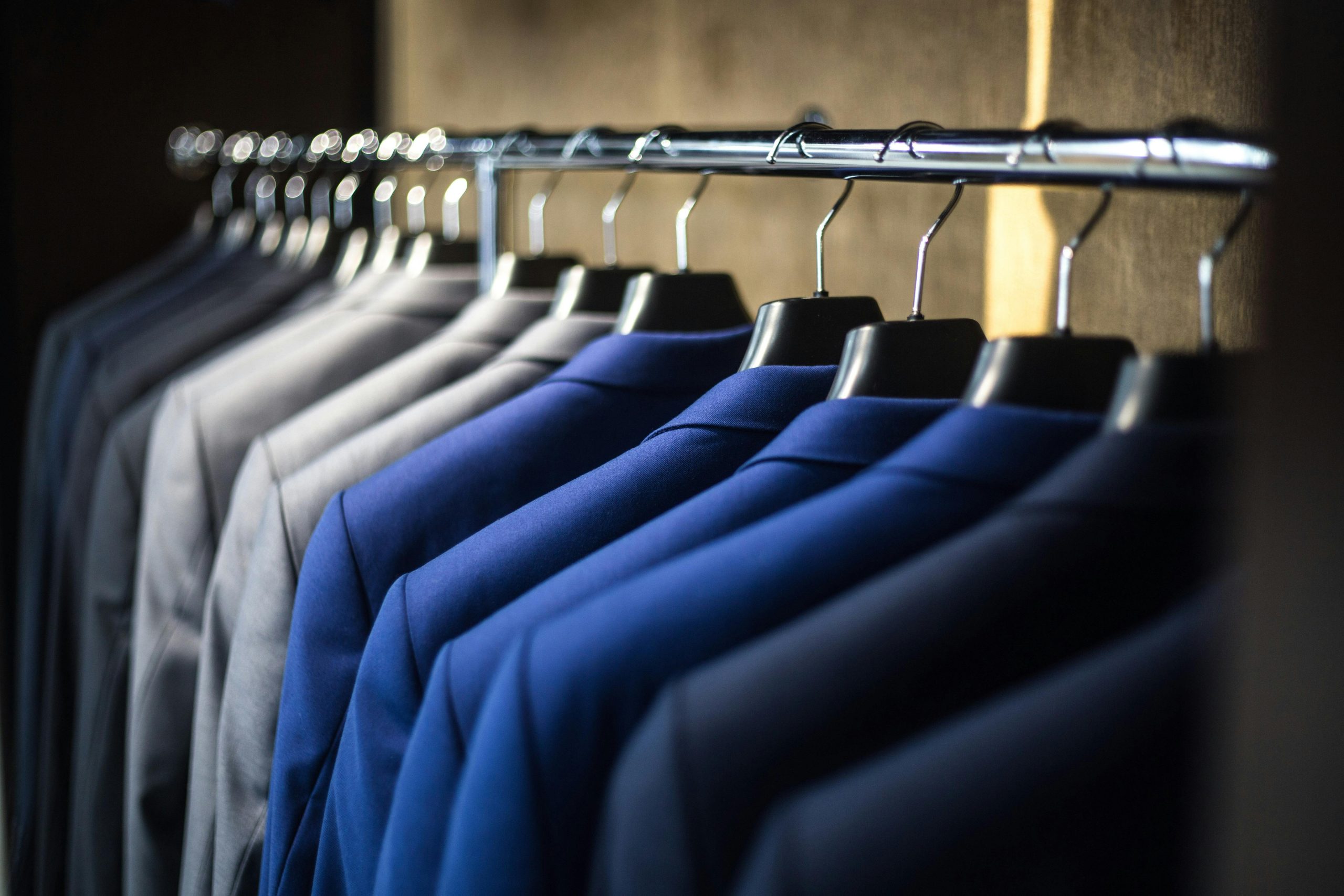
When it comes to men's fashion, nothing exudes sophistication like a well-fitted suit. Whether you're gearing up for a wedding, an important business meeting, or just looking to elevate your wardrobe, bespoke tailored suits are the pinnacle of personal style. Every aspect of a custom suit can be personalized, from the fabric to the stitching, offering you an unparalleled experience that no off-the-rack suit can match. If you're thinking about getting your first bespoke suit, or if you're a seasoned sartorialist looking to add another masterpiece to your collection, here are 10 essential custom suit details every man should consider.
1. Fabric Selection: The Foundation of a Great Suit
The first step in creating your bespoke tailored suit is choosing the right fabric. The fabric sets the tone for the entire suit, influencing its texture, comfort, and appearance. Common fabrics include wool, cotton, linen, and silk blends, but you can also find luxurious options like cashmere. When selecting your fabric, consider the climate where you'll wear the suit most often. Wool is versatile and appropriate for most climates, while linen is breathable and ideal for warmer weather. Fabrics like cashmere add softness and luxury but may not be as durable for daily wear.
Each fabric offers different weights and weaves, impacting the drape and structure of your suit. A heavier wool will provide a more formal, structured look, while a lighter, more breathable fabric can offer comfort in hotter climates.
2. The Fit: Slim, Classic, or Relaxed
The beauty of bespoke tailored suits lies in their ability to be crafted exactly to your body's measurements. But even within this realm of perfection, you have choices to make regarding the fit. Typically, suits fall into three categories: slim, classic, or relaxed.
- Slim Fit: This style offers a more modern, tailored look that hugs the body's contours. It is great for a sleek, sharp appearance.
- Classic Fit: Provides a timeless, balanced fit that offers comfort without being too loose or too tight.
- Relaxed Fit: Offers more room and is perfect for those who prioritize comfort or have a larger build.
Consider your body shape and personal style when deciding on the fit. A well-proportioned bespoke suit will enhance your physique and ensure you look sharp without sacrificing comfort.
3. The Lapels: Peaks, Notches, or Shawls?
Lapels are a defining feature of any suit jacket and can make a huge impact on your overall look. There are three main types to choose from:
- Notch Lapel: The most common and versatile, it's ideal for business or formal events.
- Peak Lapel: This is a more formal option with a bold, pointed design, typically seen in double-breasted or tuxedo suits. It adds an extra element of elegance and is perfect for special occasions.
- Shawl Lapel: A rounded, continuous curve often reserved for tuxedos or dinner jackets. It's a statement of refined style, typically chosen for evening wear.
The size of the lapel is also important. A larger lapel can give a more traditional, powerful look, while a thinner lapel leans toward a modern aesthetic.
4. Shoulder Construction: Structured or Soft?
The shoulder construction is another crucial detail that defines the silhouette of your bespoke tailored suit. There are two primary styles of shoulder construction:
- Structured Shoulders: Have padding to create a defined, sharp shape, often seen in more formal, European-style suits.
- Soft Shoulders: Have minimal to no padding, offering a more relaxed, natural look. This is common in Italian tailoring, where the emphasis is on comfort and ease.
Choose structured shoulders for a more authoritative, business-like appearance and soft shoulders for a more casual, laid-back vibe.
5. Jacket Length: Traditional or Contemporary?
Jacket length is often an overlooked detail, but it plays a significant role in balancing your overall proportions. A traditional jacket usually covers the seat and falls just below the curve of the rear, giving a more conservative appearance. A more contemporary style, however, can have a slightly shorter cut for a modern, trendy look.
The length of your jacket can also depend on your height. Taller men can opt for a longer jacket, while shorter men may prefer something a bit shorter to elongate their frame.
6. Button Stance: One, Two, or Three?
The button stance, or the number of buttons on your suit jacket, is an essential detail that affects the look of your suit. The most common options are:
- One-Button Suits: Often seen in formal evening wear or tuxedos, this option gives a sleek, minimalist appearance.
- Two-Button Suits: The most classic and versatile option, great for both business and formal events.
- Three-Button Suits: A traditional style that is ideal for taller men, as the higher button stance can elongate the torso.
Your body type and personal style will dictate which button stance works best for you. Two-button jackets are universally flattering, while three-button suits add an extra level of formality and can help create a structured appearance for taller men.
7. Vents: Double, Single, or None?
The vents of your jacket—slits at the back—are another customizable feature in bespoke tailored suits. The three main options are:
- Double Vent: This option offers the most freedom of movement and is typically considered more stylish and modern. It's also practical, preventing your jacket from bunching up when seated.
- Single Vent: Provides a classic look and is often found in American-style suits.
- No Vent: Generally reserved for tuxedos and dinner jackets, giving a sleeker appearance.
Double vents tend to be the most popular choice due to their versatility and comfort, but the style of your suit and personal preference will guide you here.
8. Trouser Break: Full, Half, or No Break?
The break refers to how much of the pant leg touches the shoe. Different breaks give off different vibes:
- Full Break: The pant leg rests on the shoe with a noticeable fold. This traditional look works well in more formal or conservative settings.
- Half Break: A small fold where the pant leg just touches the top of the shoe, offering a balanced, versatile look.
- No Break: The pant leg does not touch the shoe, giving a clean, modern silhouette.
Choosing the right trouser break will depend on your height and style preference. Taller men may prefer a full or half break, while shorter men can benefit from the elongating effect of no break.
9. Lining: Functional and Fashionable
The lining of your bespoke tailored suit offers both comfort and a chance to express your personality. While linings are hidden most of the time, they can be a fun way to add a pop of color or pattern. Custom linings can be made from silk, satin, or cotton blends and come in a variety of colors, from understated neutrals to bold vibrant patterns.
A patterned or colored lining is a subtle way to inject some individuality into your suit, even if the exterior remains traditional and conservative.
10. Personalization: Monograms and Custom Details
The true hallmark of bespoke tailored suits lies in the personalized details that make your suit entirely unique. Adding a monogram—your initials sewn into the inside of your jacket—can give your suit a personal touch that sets it apart from anything off the rack.
Other custom details include selecting unique buttons, choosing contrasting stitching, or adding subtle piping around the edges of the lapel or pockets. These small touches reflect your style and elevate your suit to a true work of art.
Conclusion
A bespoke tailored suit is more than just clothing—it's an expression of personal style, confidence, and sophistication. By paying attention to the essential details, from fabric selection to lapel styles, you can create a suit that fits perfectly, looks amazing, and makes you feel unstoppable. The experience of designing a bespoke suit is one that every man should consider at least once in his lifetime. After all, when it comes to style, the difference is in the details.